
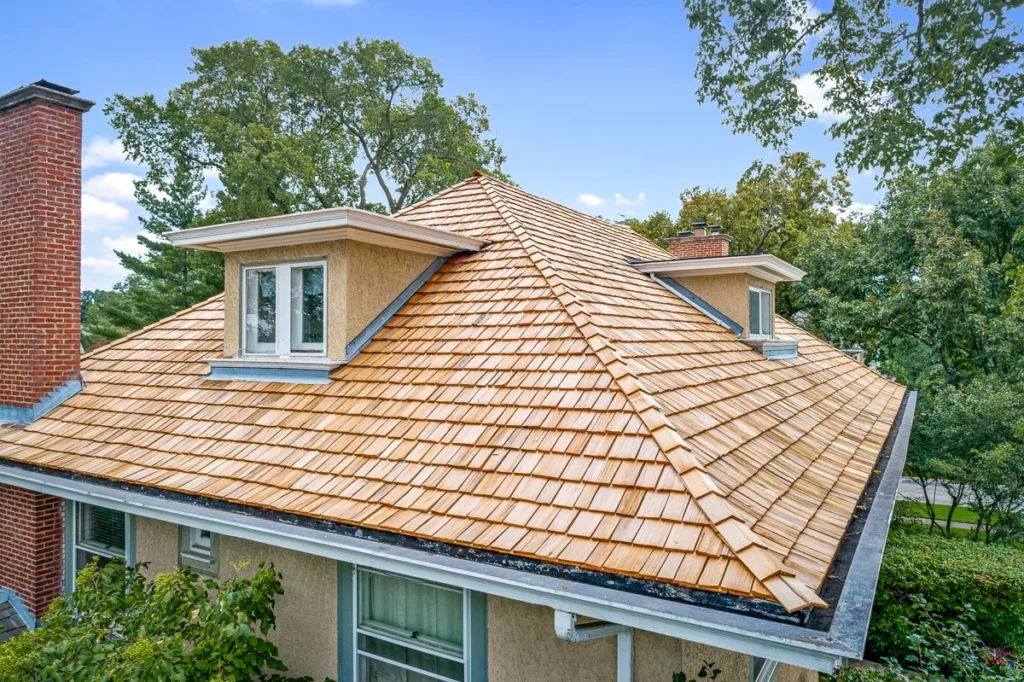
Finding water pooling on your ceiling is a terrible surprise that instantly ruins your day. Most homeowners quickly pick standard gray asphalt squares when getting a new roof simply because it is the easiest option at the store. However, finding out exactly what wood shake roof is can open your eyes to a premium choice that offers unmatched charm and structural strength for your home.
Key Takeaways
- Hand-split wood blocks give your home a beautiful, bumpy look with deep shadow lines across the roof.
- Cedar wood is the absolute top choice because it naturally keeps bugs away and stops rot from moisture.
- These thick wooden panels provide excellent insulation, keeping your house warm in winter and cool in summer.
- You must perform regular checkups to keep moss, leaves and debris from ruining the wood pieces over time.
Understanding Wood Shake Roofs
You have to look closely at how workers make each piece of wood to truly appreciate this premium style. Smooth wood shingles get sliced thin and flat by automated factory machinery so they look identical. A wood shake is completely different because people split it directly from raw logs using simple hand tools. Craftsmen use a heavy steel blade and a big wooden mallet to chop the timber along its natural grain lines.
This old-world method ensures that every single piece has its own wavy look, unique thickness and rustic charm. When you layer hundreds of these rough, distinct blocks together on a sloped house, they create an incredibly rich texture. Fake materials made from plastic or asphalt can never look this deep or catch the shifting daylight quite like natural timber.
Many people get confused when they compare traditional wood shakes to standard wood shingles on a home layout. Shingles are always cut thin and flat, allowing them to lie perfectly smooth and flush against each other on a roof surface. Shakes are much thicker, heavier and chunkier, measuring up to a full inch thick at the bottom base. Because their surfaces are uneven and rough, they leave small open gaps and drafty spaces when you nail them to the frame.
This means your roofing crew must install a layer of thick tar felt paper between every single row during the build. That extra paper keeps wind-driven rain from blowing inside the tiny structural gaps. This thick, multi-layered setup creates a heavy-duty shield that easily survives big storms, heavy hail and high winds.
Materials Used in Wood Shake Roofs
You cannot just wander into the woods behind your backyard, chop down a random maple tree and nail the fresh bark to your roof frame. Professional roofers rely on a few special types of timber that can handle decades of hot sun, heavy rain & freezing winter snow.
- Western Red Cedar: This is the most popular choice for a wooden roof across the country. The wood has rich natural oils inside that actively stop termites and other wood-boring bugs from eating it. These protective oils also keep the timber from rotting when things stay wet and damp after a big storm.
- Alaskan Yellow Cedar: This is a very hard, heavy & dense wood option. It turns a beautiful, clean silver-gray color as it gets older under the bright ultraviolet sun rays. It holds up exceptionally well and lasts a very long time in windy coastal towns near the salty ocean air.
- Eastern White Cedar: This is a lighter, smaller wood type that looks absolutely great on small countryside cabins and cozy cottages. It is very easy for local carpenters to cut and nail down but you must spray it with special protective coatings to keep it strong over the years.
- Redwood: This is a stunning, beautiful dark wood used almost exclusively on luxury custom estates and high-end properties. It lasts for generations without bending, warping or twisting out of shape but it is highly rare and costs a lot of extra money to ship to construction sites.
Types of Wood Shake Roofs
Not all wood shakes are cut the exact same way when they go through the lumber mill. Sellers break them down into a few main styles based on the tools used to shape the wood blocks.
Hand-Split and Resawn Shakes
This is the most common style you will see on modern neighborhood homes and rustic properties. Workers use a heavy blade to split the front face of the wood completely by hand. This leaves a gorgeous, bumpy & highly textured look showing on the outside of your house.
Then, they run the split block through a fast diagonal saw to make the backside perfectly flat, straight & smooth. This flat back helps the piece lie straight and secure against your home’s roof deck boards. It gives you a highly stable roof layout while keeping that beautiful handmade look on the outside for maximum curb appeal.
Taper-Split Shakes
These are expensive, historic pieces made entirely by hand without using any power saws at all. A skilled woodworker uses a special blade to split the wood carefully from both ends of the log.
This creates a natural, tapered shape that is thick at the bottom edge and thin at the top side. Because the split follows the natural wood grain perfectly from end to end, these shakes are incredibly strong. They rarely crack or split apart when the weather changes rapidly from hot summer days to freezing winter nights.
Straight-Split Barn Shakes
These tough, rustic pieces have the exact same thickness from the top edge all the way to the bottom tip. They do not get thinner or taper down at the top of the board. This means they look like thick, heavy wooden planks layered across your house structure.
They give a very blocky, heavy & robust look that is perfect for old-fashioned barns, log cabins or backyard garden sheds. They look very tough, traditional & historic.
Benefits of Wood Shake Roofs
Choosing a natural wood roof brings major benefits to your home that go way beyond simple good looks. It completely changes how your whole house handles the changing seasons and outdoor elements.
Excellent Natural Insulation
Wood is a wonderful, highly efficient natural insulator compared to thin asphalt squares or cold metal sheets. Millions of tiny, microscopic air pockets inside the natural wood grain trap your warm indoor air during freezing winter months.
In the hot summer, those same air pockets stop the sun’s intense heat from cooking your attic space. This natural thermal shield keeps your upstairs bedrooms much more comfortable throughout the year. It also takes a lot of stress off your heating and cooling systems which can lower your monthly energy bills.
Incredible Wind and Impact Resistance
Because wood shakes are thick, heavy & and securely layered, they do not flip up, warp or snap off easily when high winds hit your town. They can easily survive strong storms and gales that would tear standard asphalt shingles right off their nails.
Wood is also fantastic at handling severe hail damage. The soft, dense wood fibers absorb the direct hit of falling ice pellets without cracking, breaking open or punctures, keeping your attic perfectly dry.
Conclusion
A wood shake roof is a gorgeous investment that brings unmatched character and natural durability to your home. Knowing what a wood shake roof is helps you appreciate the handmade craftsmanship required to protect your asset from harsh weather. If you want to upgrade your home’s exterior or need an expert to check your current wooden structure, you need a crew with specialized experience.
Reach out to the professional team at Precision Roofing to schedule a consultation and secure a beautiful roof that lasts for decades.
FAQ
How long does a real wood shake roof last on a house?
A good cedar roof easily lasts thirty to forty years if you take care of it. In dry areas, regular inspections help premium wood protect your home for half a century.
Do you have to do special maintenance on wood shakes to stop leaks?
Yes, you must clean out fallen leaves and pine needles from the roof gaps every autumn. Leftover debris traps water which grows moss and rots the wood frames quickly.
Are wood shake roofs a dangerous fire hazard for residential homes?
Raw wood burns but modern factory shakes are treated with heavy fire-stopping chemicals. These safe treatments give the wood a Class A fire rating, making them safe for neighborhood homes.