
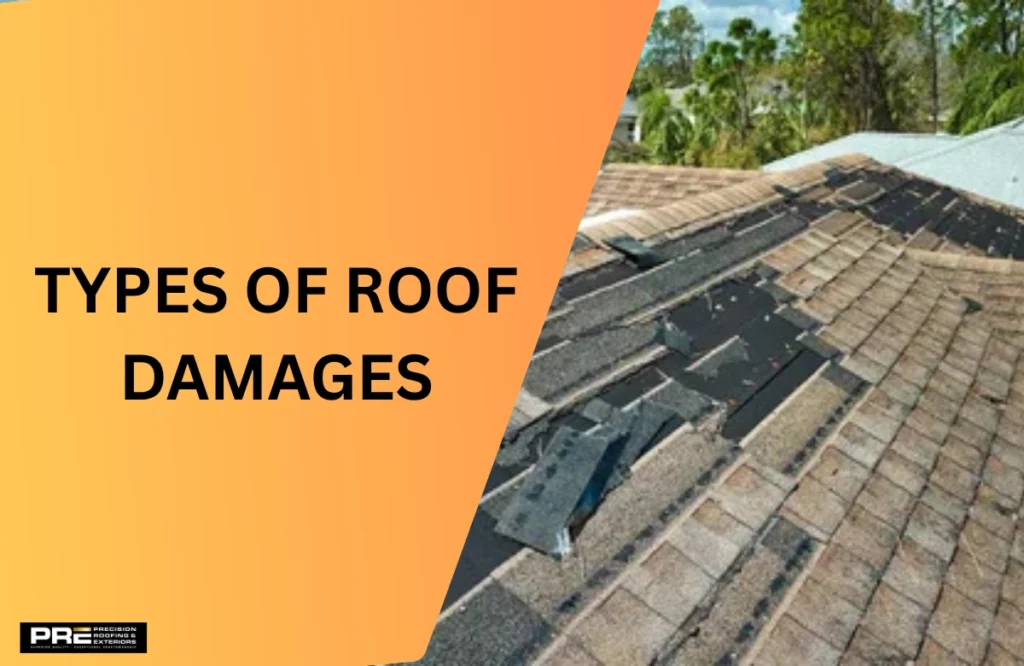
Waking up to the sound of water dripping inside your bedroom walls is a nightmare for any property owner. Many people ignore their roofs until a major leak forces them to deal with expensive structural repairs. Your roof is your home’s main shield against nature but it takes a constant beating from sun, wind and rain every day. Learning about the different types of roof damages allows you to spot tiny problems early before they destroy your ceilings and empty your savings account.
Key Takeaways
- Hail, wind, and falling branches can dent, tear, or completely remove shingles, exposing the roof underneath.
- Water issues like leaks, clogged gutters, and ice dams push moisture into weak spots and cause interior damage.
- Algae and mold grow in damp areas, slowly breaking down shingles and holding moisture against the roof surface.
- Sun exposure and temperature changes cause shingles to dry out, crack, lose granules, and age faster.
- Weak areas like chimneys, valleys, and eaves often fail first, and pests can worsen damage by chewing and nesting.
Common Types of Roof Damages
Roofs break down in many ways because the weather is always changing. Here is a close look at the most frequent issues you will find in a home.
Hail Impact Indentations
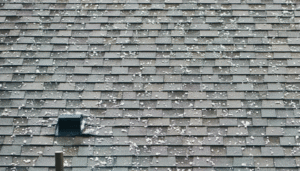
Hail completely ruins perfectly good houses in ten minutes flat. When heavy ice pieces drop from storm clouds, they slam into your shingles like chunks of concrete. On normal asphalt tiles, these icy balls leave deep, round pits. They look just like dark bruises on an old apple. The violent impact knocks away the rough sand layer that shields the roof from hot sun damage.
Honestly, it leaves the soft underlayer totally bare and summer heat fries it fast. If your home has a wood shake roof, hail will split those pieces straight down the center. For metal roofs, a heavy storm leaves permanent dimples that gather dirty pool water and cause rust. You have to check these dents right away.
Wind Uplift and Missing Shingles
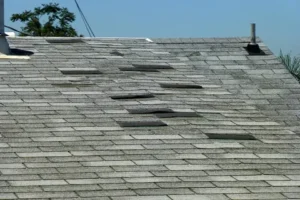
You wouldn’t believe how strong a storm breeze gets until you see shingles flying across your lawn. High winds do not just blow sideways over your house; they create a massive suction that pulls parts straight up. Older materials get stiff, making it easy for the wind to rip them away from the wood deck.
This leaves bare patches on your roof where rain can leak inside. Even if the shingles do not fly away, strong gales snap the glue seals underneath. Once that sticky bond breaks, water slides right under the layout and starts soaking your ceiling boards.
Flashing Corrosion and Seam Gaps
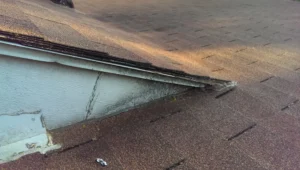
General contractors always tell people to check the metal strips around their chimneys first. We call these parts flashing and they seal the trickiest corners of your house. Over the years, rain and damp air cause this metal to rust out and crack.
Once the metal strips warp, wide gaps open up along your walls. Rainwater flows right into these holes instead of sliding down into your gutters. A single rusty spot can cause a massive leak that ruins your living room drywall during a bad storm.
Heavy Ice Dam Overloads
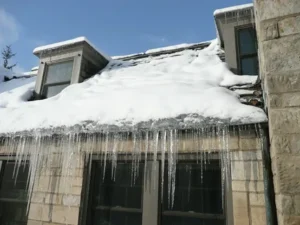
Winter can really mess up your house if you don’t keep your attic cool. When snow melts on your warm roof, it slides down until it hits the cold eaves. Then it freezes back into solid ice right over your gutters, creating a thick ridge.
This heavy ice wall holds back new melted water, forming a deep puddle on your shingles. The trapped pool has nowhere to go, so it backs up under the roofing seams. It trickles through your ceiling drywall and floods your upstairs bedrooms, destroying your furniture.
Algae Growth and Dark Stains
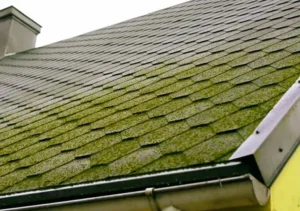
Those nasty black streaks on your roof are actually alive and they are eating your house. It is a type of blue-green algae that loves wet, dark spots that do not get much morning sun. It feeds on the limestone dust inside modern shingles.
The dark stains make your home look dirty and old but the real issue is that the growth holds damp moisture against the roof surface. This constant wetness slowly rots the roofing sheets until your shingles crumble into pieces.
Tree Branch Scrapes and Punctures
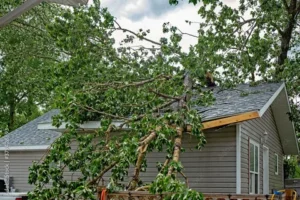
Keep your trees trimmed back if you want your roof to last more than ten years. When the wind picks up, heavy limbs act like giant saws that scrape back and forth across your delicate roof shingles. This rubbing action quickly removes the protective top sand and can tear the shingles completely off the wood deck.
A dead tree trunk can snap during a severe storm. It can crash straight through your roof rafters into your living room, endangering your family and causing thousands of dollars in sudden structural damage.
Aged Granule Loss and Balding
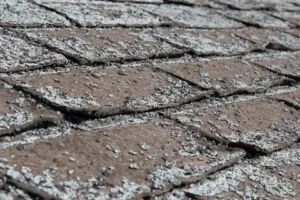
Old roofs eventually just wear out from simple old age. The sticky oils inside asphalt shingles dry up after years of baking in the summer heat. Without these deep oils, the protective surface sand loosens up and washes away into your gutters during normal rainstorms. You will notice piles of dark sand filling up your gutter troughs after a storm.
Once a shingle loses its granules, it looks bald and shiny. The sun bakes the raw asphalt until it cracks, curls up at the corners and lets water through like a piece of paper.
Clogged Gutter Water Backups
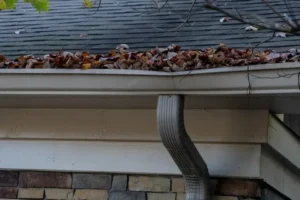
Clean your gutters at least twice a year or prepare for some major headaches. Leaves, twigs and old bird nests can quickly clog your downspouts. When the path is blocked, rushing rainwater backs up over the back edge of your roof line.
This standing water gets trapped against your wooden fascia boards and the lower edge of your roof deck. Within a couple of seasons, the trapped moisture rots the wood frame, creating easy entry points for water, pests and destructive mold.
UV Ray Drying and Thermal Shock
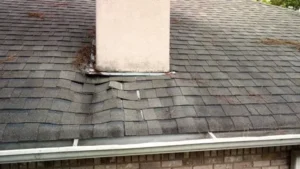
The sun is incredibly harsh on building materials. On hot July days, your shingles get baked by intense ultraviolet rays until they reach extreme temperatures. Then, a sudden cold rainstorm hits, forcing the hot roof to shrink back down in just a few minutes.
This rapid expanding and shrinking is called thermal shock. Over time, this constant movement snaps the factory seams, causes deep cracks and destroys your roof way before its warranty should end.
Pests and Wildlife Structural Burrowing
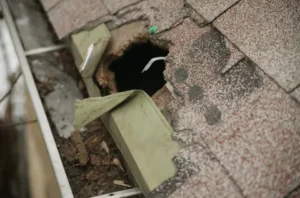
Raccoons, squirrels\ and mice love to nest inside warm attic spaces during the chilly months. If they find a tiny gap along your roof line, they will use their sharp teeth to chew the wood until the hole is big enough to squeeze through.
Once they get inside, they rip up your insulation and chew on dangerous electrical wires. The open holes they leave behind act like giant funnels that let rain pour into your home during the next big storm.
Eaves & Rake Edges
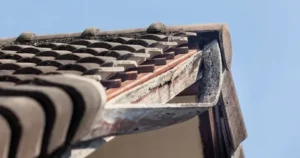
The edge of your roof takes a beating from wind & water. Gusts slam into the side of your house, rush up & rip shingles off the edges. If you lack a metal drip edge, water soaks back into the wood deck. This makes the lower edge soft & saggy. Look up from your yard to see if these edges look dark, bent or twisted.
Valley Intersections
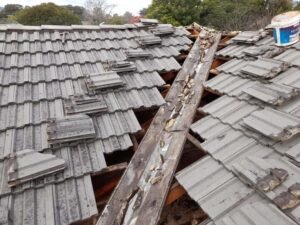
Where two sloped roofs meet & form a V-shape, you have a valley channel. These channels act like a highway for water drainage. Because so much water flows through them, any small mistake in shingle layout will cause a major leak. Leaves & pine needles love to pile up in these spots, which creates small dams that hold water against the seams. If these valleys stay wet for days, the underlying felt paper rots out completely.
Chimney & Dormer Junctions
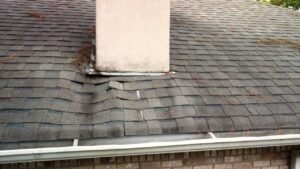
Any object that pokes straight through your roof deck creates a massive hole in your home’s defense system. Chimneys are made of brick, which absorbs water like a sponge. When the brick gets soaked, it transfers that dampness to the surrounding wood rafters. Roofers use multiple layers of woven metal to protect these spots but the seals wear out quickly. You must check the corners of your chimney every year to ensure the metal plates are not lifting up.
Conclusion
Protecting your home from the elements means staying aware of the many types of roof damages that can happen throughout the year. Catching these structural issues early keeps your family safe, dry & comfortable in any weather. If you suspect your home has storm damage or you see dark stains on your bedroom ceiling, you should get a professional inspection right away. Reach out to the expert team of roofing contractors at Precision Roofing to schedule a roof inspection & protect your home before the next storm arrives.
FAQ
How can I tell if my roof has storm damage without climbing a ladder?
Walk around your yard with binoculars & check for torn shingles or loose metal strips. Also, look inside your gutters for lots of dark sand or check your bedroom ceilings for new water stains.
Can a small roof leak fix itself over time if the weather gets dry?
No, a hole in your roof will never fix itself. Even if the sun dries the wood for a few days, the physical crack remains open & will leak again during the next rainstorm.
How often should a homeowner have their roof inspected for hidden damage?
Have a pro check your roof once a year before winter hits. You should also call for an inspection right after any heavy hailstorms or major wind events pass your neighborhood.