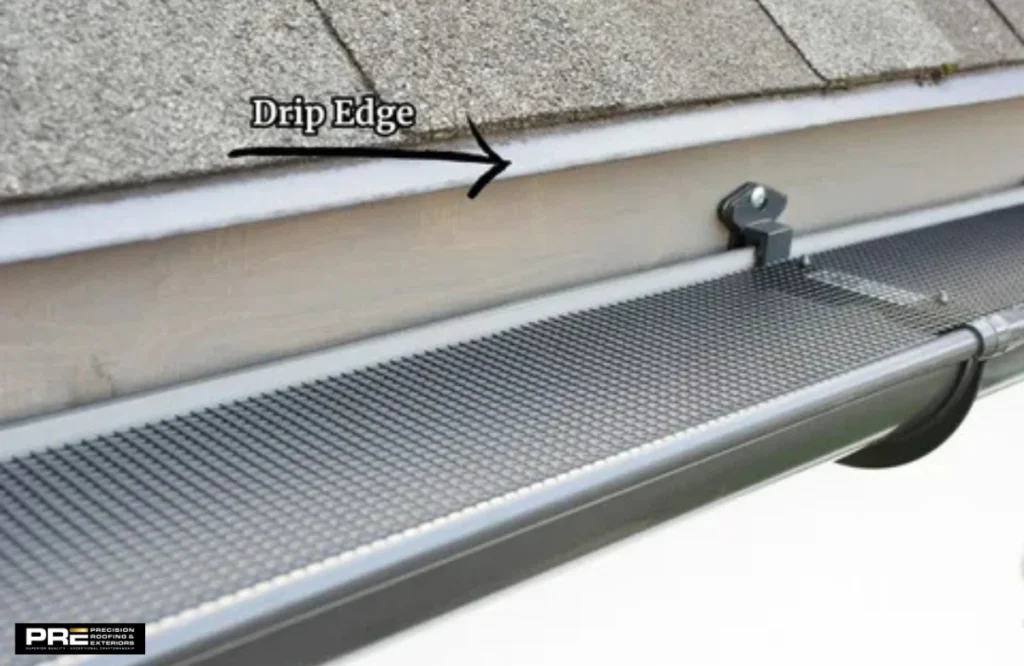
Drip edge isn’t something most homeowners think about at least not until there’s a problem. It’s just a slim piece of metal running along the roof’s edge, but it plays an important role in protecting the roof edge and directing water runoff. Without a drip edge, water slips behind the gutters, fascia boards start to rot, and the roof deck takes on damage you shouldn’t have to deal with. The good news is that drip edge comes in several shapes and materials, and once you know what to look for, choosing the right one is pretty straightforward.
Core Takeaways
- The main types of roof drip edge include C-style, D-style, T-style, F-style and L-style profiles, each shaped differently to handle water runoff and shingle overhang.
- Drip edge sits right along the eaves and rakes, ensuring water runs where you want it to go. Instead of letting rainwater run down your gutters and soak the fascia, it directs the water straight into the gutter itself.
- Aluminum is the most commonly used drip edge because it is affordable and resistant to rust. But there’s also galvanized steel, copper and even vinyl if your roof or wallet calls for something different.
- Picking the right drip edge profile really depends on the type of roofing system installed on your roof. Asphalt shingles, metal panels, and tile often work best with specific drip edge profiles.
- Skipping the drip edge or installing it incorrectly leads to fascia rot, shingle damage from wind and water getting in behind your gutters, problems that develop slowly and become expensive quickly.
What Is a Drip Edge and Why Every Roof Needs One?
Basically, it’s a strip of metal that runs along the roof edge, protecting everything underneath. It guides rain away from wood trim and into your gutter, stopping slow rot in its tracks. It also helps keep wind from peeling back your shingles during a storm. As a relatively inexpensive roofing component, drip edge can help prevent costly moisture-related issues.
Types of Roof Drip Edge Profiles
Drip edge comes in several shapes, and each one handles water and shingle overhang a little differently.
C-Style Drip Edge
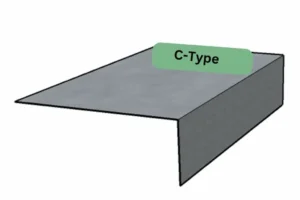
C-style is the most basic profile, with a simple angled shape that extends over the fascia. It’s affordable and works fine on most standard residential roofs, though it doesn’t offer as much protection against wind-driven rain as some other profiles.
D-Style Drip Edge
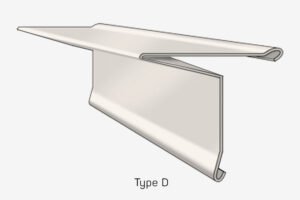
D-style has a slightly deeper profile with a more pronounced lip that extends further over the fascia. This extra coverage helps direct water further away from the wall, making it a popular choice in areas that get heavy rain.
T-Style Drip Edge
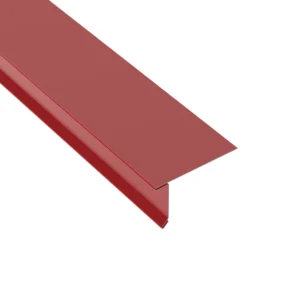
T-style gets its name from the shape it forms when installed, with a flat horizontal piece and a vertical piece that creates a T cross-section. It’s often used where the roof meets a wall or in specific flashing applications rather than as a standard eave drip edge.
F-Style Drip Edge
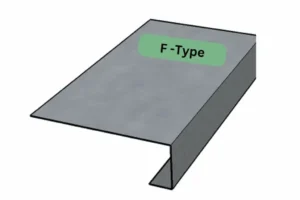
F-style is taller than C-style and includes a vertical face that sits flush against the fascia board. This profile works well when the fascia is set back further from the roof deck, giving a cleaner finished look along the edge.
L-Style Drip Edge
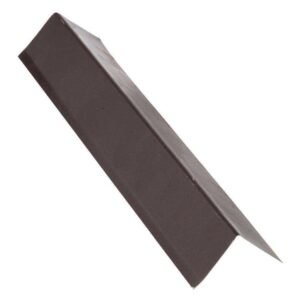
L-style is the simplest profile of all, just an L-shaped bend with one flat piece against the roof deck and another extending out over the edge. It’s commonly used on rakes where a simpler profile gets the job done without extra material.
What Are the Materials Used for a Drip Edge?
The shape matters the material it’s made from is what decides how long it actually holds up.
Aluminum
Most homes go with aluminum. It won’t rust, it’s light, easy to cut on site and cheaper than the other options. The one thing to watch is dents. A ladder or falling branch can leave a mark on it more easily than on steel.
Galvanized Steel
Steel holds up better against impact than aluminum does. The catch is that the zinc coating on top wears off over the years, and if you’re near the coast, salt in the air speeds up that process quite a bit.
Copper
This is the high-end pick. Copper develops a patina that many people actually like, and it can last for decades. It also looks right at home next to slate roofs or cedar shakes. The price tag is the tradeoff here; copper costs a lot more than aluminum or steel.
Vinyl
You don’t see vinyl often but it shows up on tighter budgets sometimes. It won’t rust, that’s the upside. But cold weather can make it brittle and years of sun exposure wear it down faster than metal would.
How to Choose the Right Drip Edge for Your Roof?
With several profiles and materials to pick from, here’s how to narrow it down for your specific roof.
Matching Profile to Roof Type
If you’ve got asphalt shingles, C-style or D-style along the eaves usually does the job. Tile and metal roofs are pickier and often need a specific profile, so check what the manufacturer recommends or just ask your roofer what’s worked on similar roofs nearby.
Matching Material to Climate and Budget
Near the coast, aluminum tends to outlast galvanized steel due to salt air. If you deal with heavy snow and ice, steel’s extra strength might be worth paying for. For everyone else on a normal budget, aluminum is usually the easiest call.
Color and Finish Considerations
You can get drip edge in colors that match your roof, gutters or trim. Most come with a baked on finish in white, brown, black or gray. A lot of people match it to the gutters instead of the shingles since that’s what it sits closest to visually.
Which drip edge profile is best for asphalt shingles?
C-style or D-style aluminum usually does the trick for asphalt shingle roofs. Both handle normal water runoff fine and go in easily with typical shingle setups.
How much does drip edge installation cost?
You’re looking at a few dollars per linear foot just for materials. Labor gets added on top of that and it depends on how big your roof is and how complicated the job ends up being.
What size drip edge do I need?
Most homes use a 2 to 3-inch flange over the fascia. What you actually need comes down to how deep your fascia is and which profile you’ve picked for the roof.
Conclusion
Picking the right drip edge isn’t complicated once you know what’s out there. The types of roof drip edge all do the same basic job, keeping water away from your fascia and roof deck, but the profile and material you choose affect how well that job gets done over time. Asphalt roofs in most climates do fine with aluminum C-style or D-style. Coastal homes, heavy snow areas and premium roofing materials all have their own best fits. If you’re not sure what your roof actually needs, Precision Roofing can inspect your roof and tell you exactly what makes sense for your home.