
A roof ages slowly, though the signs often appear suddenly. Missing details can make replacement decisions more difficult than they need to be. Homeowners often start wondering, how old is my roof? When small problems begin showing up.
| Quick Answer
You can estimate roof age through records, permits, invoices and inspections. If those are missing, visible wear can also help. Curling shingles, granule loss, leaks, fading and sagging often point to an older roof. A roofing professional can compare these clues and give a more accurate estimate. |
How to Find Out How Old Your Roof Is
Finding a roof’s age is easier when documents still exist. Paperwork often gives the clearest clue about installation or replacement timing.
1. Check Home Purchase or Property Records
Home purchase papers sometimes mention when the roof was replaced. Seller disclosures may also include roofing details or repair history. Property records can help narrow the age when earlier work was documented. This is usually the best place to begin your search.
2. Ask the Previous Homeowner or Builder
Previous homeowners often remember major upgrades even when they lack paperwork. Builders may also know when the original roof was installed. Their memory can help confirm whether the roof was ever replaced. Even approximate dates are useful when you need a starting point.
3. Inspect Roofing Permits and Documents
Roofing permits can show when major work was approved. Local permit records often list repair or replacement dates clearly. These records are helpful when a contractor replaces a roof. They can also support other information when paperwork seems incomplete.
4. Look at Roofing Company Invoices or Records
Invoices may show the date of replacement or major repair work. They can also reveal material type and project scope. Old receipts are valuable when the roof was serviced more than once. Even partial records can help build a more accurate timeline.
5. Consult a Professional Roofing Inspection
A roofing professional can estimate age by checking wear patterns. They look at shingles, fasteners, flashing and overall roof condition. This is especially useful when documents are missing or unclear. An inspection can also reveal hidden damage that affects the roof’s true age.
Signs That Help Estimate Roof Age
Physical wear often tells a story when records are unavailable. Several visible clues can help estimate how long a roof has been exposed.
1. Curling or Missing Shingles
Curling shingles often show long term weather exposure and material fatigue. Missing shingles can also mean the roof has started weakening. Wind damage may play a part too. When these signs appear together, the roof may be getting older.
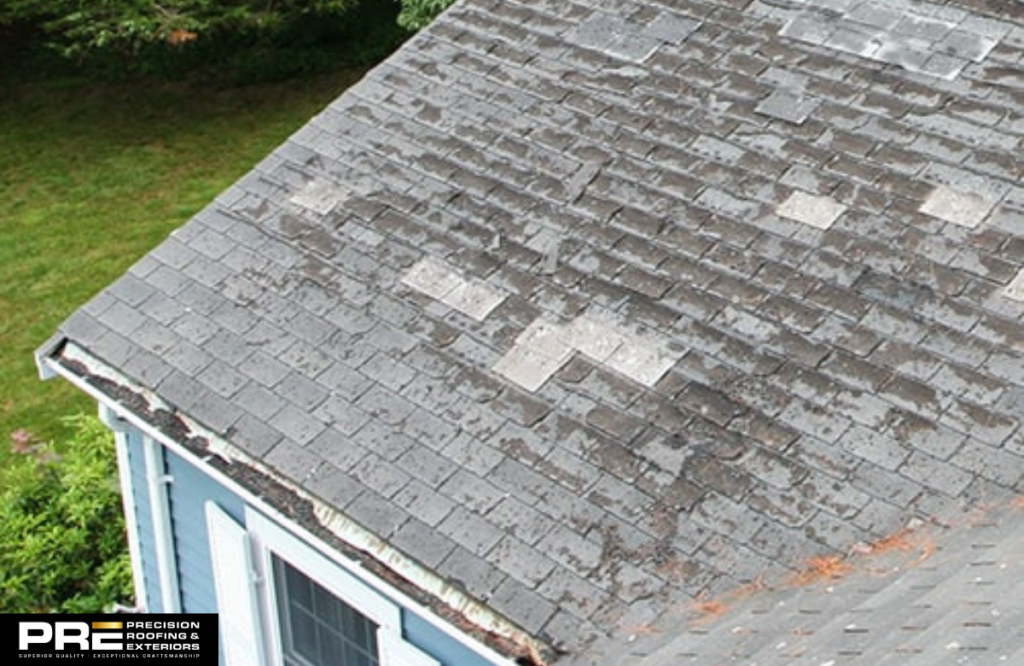
2. Granule Loss on Shingles
Shingle granules protect against the sun and weather. When they fall off, the surface looks bare or patchy. You may also find granules in gutters or near downspouts. Heavy granule loss often means the roof is aging faster than expected.
3. Frequent Leaks or Water Damage
Older roofs often lose their ability to keep water out. Repeated leaks may point to worn materials or weak seals. Water stains on ceilings or walls can reveal deeper roof problems. If leaks keep returning, the roof may be nearing the end of its life.
4. Fading or Discoloration
Fading usually happens after years of sun exposure. Some roof sections may look lighter or uneven compared with others. Discoloration can also appear where moisture and debris collect. These changes do not prove exact age but they help build a strong estimate.
5. Sagging Roof Sections
Sagging is one of the clearest signs of major roof stress. It can happen after long moisture exposure or structural weakening. A sagging section may mean the roof has serious hidden damage. This is not just an age clue. It is also a warning that inspection should happen quickly.
Conclusion
A roof’s age is easiest to find through records and paperwork first. When those are missing, visible signs can still tell you a lot. Curling shingles, granule loss, leaks, fading and sagging all help answer the question how old is my roof? with more confidence. A professional inspection gives the clearest estimate when the roof’s history is uncertain.
Precision Roofing can help you evaluate the roof age, condition and repair needs before small concerns become major problems. A careful check now can save stress and expense later.
Frequently Asked Questions
How can I check the age of my roof?
Start with home records, permits, invoices and seller disclosures. Then compare those details with visible roof wear. A professional inspection can help confirm your estimate when documents are missing or unclear.
How long does a roof usually last?
Roof life depends on material quality, weather exposure, installation and maintenance. Some roofs last decades while others wear out sooner. Regular care helps extend lifespan and slows visible aging.
Can I estimate roof age without documents?
Yes, you can estimate age by studying the roof condition. Signs like curling shingles, granule loss, leaks, fading and sagging often suggest how long the roof has been exposed to weather.