
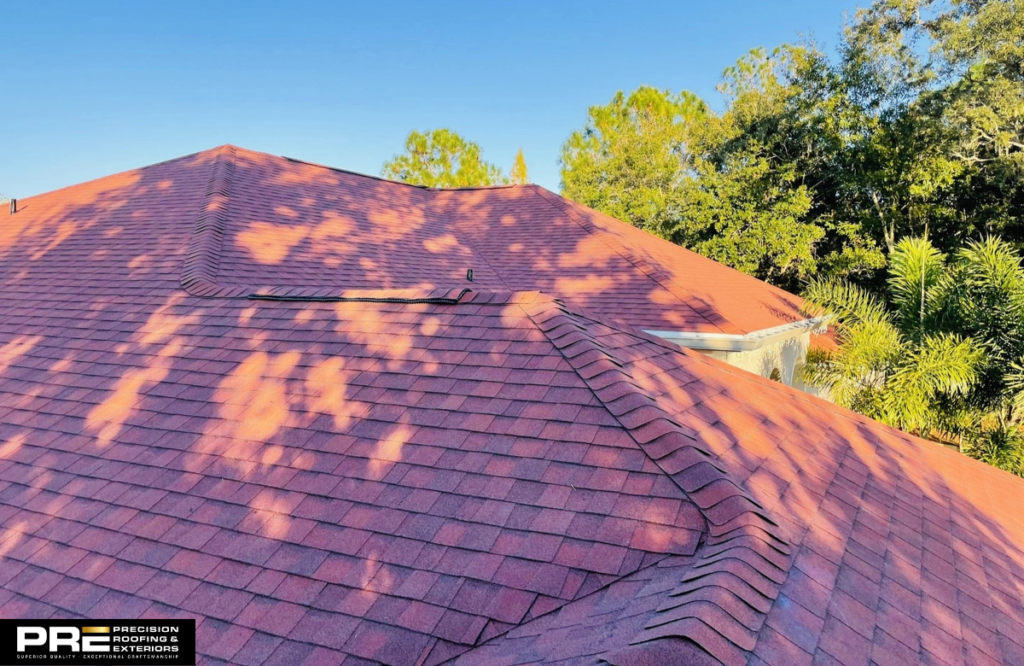
A roof can last 15 to 60+ years, depending on the roofing material, installation quality, weather conditions, and maintenance. Asphalt shingles generally last less, while metal, tile, and slate roofs can last several decades or more. The roof’s actual condition and repair history also play an important role in determining how long it will last.
Core Takeaways
- Asphalt shingle roofs: 15–30 years
- Metal roofs: 40–70 years
- Low slope/flat roofs: 15–20 years (varies by membrane)
- PVC roofs: 20–30 years
- EPDM rubber roofs: 20–25 years
- TPO roofs: 15–20 years
- Suntuf panel roofs: 10–20 years
- Vinyl roofs: 20–40 years
- Regular maintenance, climate, and installation quality all affect these numbers significantly.
So, How Long Does Each Roof Type Actually Last?
Not all roofs are created equal, and the material sitting over your head makes a bigger difference than most homeowners realize. Let’s go through them one by one.
Asphalt Shingle Roofing
Somewhere between 15 and 30 years, give or take. Cheap three-tab shingles wear out fast. Spend a little more on architectural shingles, keep your attic properly ventilated, and you’ll land on the higher end of that range without much extra effort.
Metal Roofing
Here’s where things get impressive. A properly installed metal roof (steel, aluminum, standing seam, doesn’t matter much which) can realistically outlive the person who installed it, often running 40 to 70 years. Homeowners who go metal are usually done thinking about roofing for good.
Low Slope Roofing
15 to 20 years is the general window, but honestly, it swings more than that based on the membrane installed and how well water actually moves off the surface. Minimal pitch means minimal margin for drainage mistakes.
PVC Roofing
PVC systems hold up for 20 to 30 years, and there’s a reason commercial buildings lean on it so heavily: the chemical resistance is excellent, and the welded seams don’t budge easily, even when grease, oils, or rooftop equipment get involved.
EPDM Rubber Roofing
Think 20 to 25 years for a typical EPDM roof. It’s synthetic rubber, so it shrugs off sun and temperature swings reasonably well. The seams are the weak link. They deserve a look now and then.
TPO Roofing
TPO is the budget-friendly workhorse of flat commercial roofing, and it’s usually good for 15 to 20 years. That number leans heavily on installation quality. A cheap install with weak seams will fall well short of that range.
Suntuf Panel Roofing
Suntuf panels top out around 10 to 20 years. They’re popular for patio covers because they’re lightweight and let light through, but that same quality makes them more sensitive to sun damage than most other roofing materials.
Vinyl Roofing
20 to 40 years, roughly. Vinyl shrugs off moisture and doesn’t attract pests, so it tends to age gracefully as long as installation was done right the first time.
Factors That Affect How Long a Roof Lasts
Those numbers above? They’re averages, not promises. Plenty of things can push your actual timeline up or down, and the culprits change depending on what’s on your roof.
Asphalt Shingle Roofing
Trapped heat cooks shingles from underneath. Ice dams and skipped inspections don’t help either. Intense, direct sun will strip granules faster than you’d expect.
Metal Roofing
Corrosion is usually the enemy, often triggered by mismatched metals touching each other or fasteners that weren’t installed correctly. Get the overlap and fastening right, though, and metal is remarkably forgiving.
Low Slope Roofing
Standing water. That’s it, that’s the main one. Poor drainage combined with debris sitting on the surface will shorten a low slope roof’s life faster than almost anything else.
PVC Roofing
Weak seam welding and the wrong fasteners cause most early failures. Add in exposure to incompatible chemicals (rooftop equipment leaking oils it shouldn’t) and you’ve got a recipe for a shortened lifespan.
EPDM Rubber Roofing
Foot traffic punctures, seams pulling apart, water sitting where it shouldn’t. These are the usual suspects behind an EPDM roof aging faster than expected.
TPO Roofing
Thin membrane, sloppy seam welding, too much rooftop foot traffic. Any one of these on its own can shave years off. Combined, they add up fast.
Suntuf Panel Roofing
UV exposure is relentless on these panels, and hail doesn’t do them any favors either. Improper fastening at the overlaps tends to be where problems start.
Vinyl Roofing
Wide temperature swings cause expansion and contraction that vinyl doesn’t always love, and seams that weren’t sealed properly will crack or lift well before their time.
What Are the Signs Your Roof Is Near the End of Its Life?
Every roofing material sends up its own kind of warning flag before it fully gives out. Here’s what to watch for, broken down by type.
Asphalt Shingle Roofing
Curling edges. Cracking. Shingles going missing after a windy night. If you’re finding a suspicious amount of granules collecting in your gutters, that’s your roof telling you it’s tired.
Metal Roofing
Rust spots, fasteners working themselves loose, paint that is fading or chalking to the touch are all classic signs a metal roof is nearing the finish line even if it’s still standing strong overall.
Low Slope Roofing
Water that just won’t drain, membrane blistering up in spots, seams starting to separate. None of these are subtle once you know to look for them.
PVC Roofing
Seams cracking or lifting, the membrane going brittle instead of flexible, visible shrinkage across the surface. These are your cues that replacement is on the horizon.
EPDM Rubber Roofing
The membrane shrinks. Seams lift. Small punctures keep showing up in the same spots even after you patch them. That recurring pattern is usually the giveaway.
TPO Roofing
Watch for seam failures and discoloration first, then brittleness setting into the material overall. A TPO roof that’s crunchy instead of pliable has entered its final stretch.
Suntuf Panel Roofing
Yellowing is the obvious tell. So is brittleness. Press gently and if a panel feels like it might snap, it’s close to done. Visible cracking seals the deal.
Vinyl Roofing
Warping, discoloration, cracked seams. Vinyl tends to show its age fairly clearly once it starts to go.
How Can You Tell How Much Life Your Roof Has Left?
Nothing beats a professional inspection for a real answer, but each material gives off clues you can look for in the meantime.
Asphalt Shingle Roofing
Flex a shingle gently. Still pliable with only minor granule loss? You’ve likely got several good years left. Brittle and crumbly is a different story.
Metal Roofing
Fastener tightness, seam condition, and how well the coating is holding up together paint the picture. An intact coating with no rust usually means the roof has plenty of runway left.
Low Slope Roofing
A professional will check membrane thickness alongside how well the roof actually drains. Clean drainage with no blistering is a good sign you’re not looking at a near-term replacement.
PVC Roofing
Seam strength testing paired with a flexibility check on the membrane tells the story here.
EPDM Rubber Roofing
Membrane thickness testing combined with a close look at the seams is the standard way to estimate what’s left.
TPO Roofing
Membrane thickness and seam bond strength. A professional testing both will give you a fairly accurate remaining-life estimate.
Suntuf Panel Roofing
A simple flex test, along with checking for discoloration, usually tells you what you need to know about remaining panel life.
Vinyl Roofing
Seam integrity and how flexible the material still is are the two things worth checking to gauge what’s left.
When Should You Repair a Roof Instead of Replacing It?
This comes down to scope: how much of the roof is actually affected, and which material you’re dealing with.
Asphalt Shingle Roofing
Small, isolated damage? Repair it and move on. But once curling, granule loss, or leaks start showing up across the whole roof, you’re really just delaying a full replacement at that point.
Metal Roofing
Minor rust or a few loose fasteners are easy, cheap fixes. Corrosion spreading across large sections is a different conversation entirely. That’s replacement territory.
Low Slope Roofing
Isolated ponding or a small patch of membrane damage is repairable. Chronic drainage problems or widespread blistering usually mean it’s time to start over.
PVC Roofing
Catch seam separation early and a repair will do the job. Let it spread, or let the membrane go brittle throughout, and repair stops being the practical option.
EPDM Rubber Roofing
Small punctures and minor seam lifting are worth fixing promptly. Once shrinkage or seam failure covers a meaningful chunk of the roof, replacement makes more sense financially.
TPO Roofing
Isolated seam or membrane issues can be patched. Widespread brittleness or seam failure across the surface is your sign that repairs won’t keep up anymore.
Suntuf Panel Roofing
Individual panels can be swapped out as they crack. No need to touch the whole roof for one or two bad panels. Once most panels are yellowed and brittle, though, full replacement is the smarter move.
Vinyl Roofing
Small cracks or seam issues are simple repairs. Widespread warping or discoloration across most of the surface signals it’s time to replace rather than patch.
Does a Roof’s Warranty Tell You How Long It Will Last?
Not really, no. A warranty tells you how confident the manufacturer is in the material, and it covers specific defects or failures but it’s not a guarantee that your roof will make it that exact number of years. Real-world lifespan comes down to installation quality, your local climate, and how well the roof gets maintained along the way. A strong warranty, like a 50-year warranty with a 130 mph wind rating and a 5-year workmanship warranty, absolutely adds peace of mind. Just don’t confuse it with a lifespan promise.
Conclusion
So, how long does a roof actually last? Anywhere from 10 years to 70, depending entirely on what’s up there. Suntuf panels sit at the low end, metal roofing dominates the high end, and asphalt shingles, low slope systems, PVC, EPDM, TPO, and vinyl fill in the middle. Each is shaped by climate, installation quality, and how consistently they’re maintained. Keep an eye out for the warning signs specific to your material, get inspections on a regular schedule, and know when a repair will hold versus when it’s time to replace. Do that, and you’ll get every year your roof has to give.
Contact roofing experts like Precision Roofing and Exteriors today to schedule regular maintenance.