
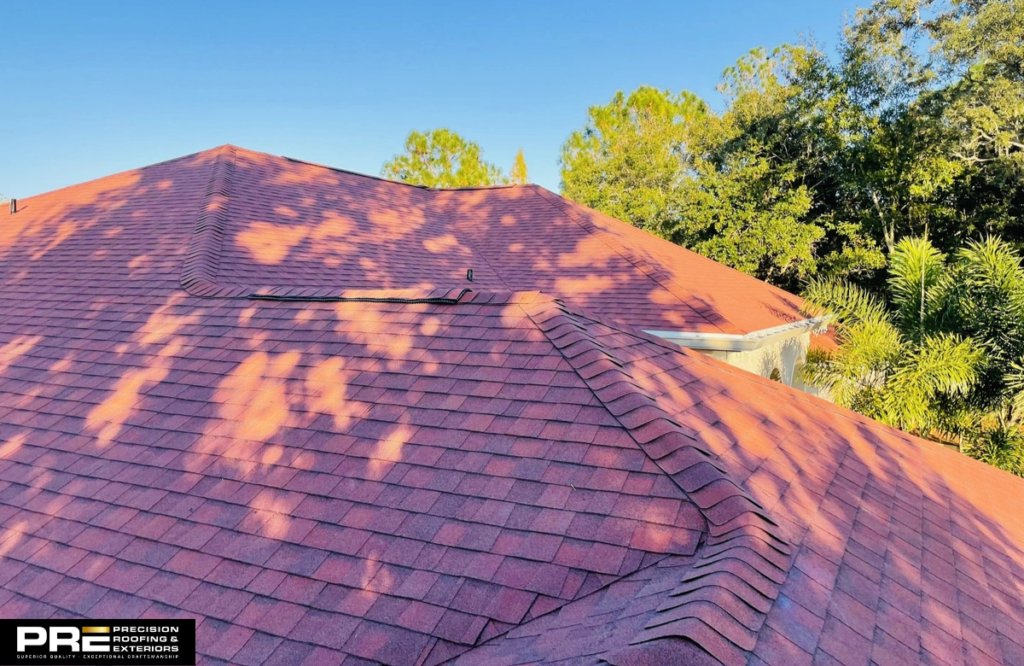
A roof can last 15 to 100+ years, depending on the roofing material, installation quality, weather conditions, and maintenance. Asphalt shingles generally have a shorter lifespan, while metal, tile, and slate roofs can last for several decades or more. The roof’s actual condition and repair history also play an important role in determining how long it will last.
Key Takeaways
- Check the roof’s condition before deciding on replacement. Age can provide a rough estimate of your roof lifespan, but it does not tell you how much useful life remains.
- Roofing materials have different lifespans. Asphalt shingles usually need replacement sooner than metal, tile, or slate roofing.
- Deal with small problems early. Leaks, damaged flashing, and missing shingles can lead to larger repairs when ignored.
- Replacement plan when damage becomes widespread. Repeated repairs may no longer make sense when an older roof keeps developing new problems.
- A professional inspection can settle the question. It can show whether your roof needs another repair or is getting close to replacement.
How Long Does the Average Roof Last?
Average roof life can be anywhere from about 15 years to well over 30. The figure is very much dependent upon the type of roofing material, installation, weather exposure and maintenance. Asphalt shingle roofs are a popular option, but they generally have a shorter service life than metal, tile or slate systems. A roof in a temperate climate can also outlive one that is subjected to frequent hail, strong winds or intense sunlight.
There is no one expiration date for all roofs. Two roofs laid in the same year can be in vastly different conditions over time. When deciding what to do next, the actual condition of the roof system is important.
How Long Do Different Roofing Materials Last?
Roofing materials wear at different rates. Asphalt shingles generally provide a practical service life for many homeowners, while metal roofing can remain in place for several decades. Tile and slate can last even longer when the supporting structure stays sound.
Material quality also makes a difference. Higher-grade products may have longer expected service lives than basic options. Still, even a durable material can develop problems when installation is poor or maintenance is neglected. The best way to estimate a roof’s remaining life is to consider the material, its age, and its current condition.
What Factors Affect How Long a Roof Lasts?
The expected life of a roof can change considerably because of the conditions around it. Material selection matters, but so does everything that happens after installation.
Roofing Material and Quality
Roofing material directly affects how long a roof remains serviceable. Asphalt shingles generally have a shorter expected life than metal, tile, or slate. The quality of the product matters within each material category too. A suitable roofing product provides better protection for the home when installed according to the manufacturer’s requirements.
Installation Quality
Installation problems can shorten a roof’s life even when good materials are used. Poor flashing, improper ventilation and incorrect fastening can cause problems that may not be obvious. Water can get into small installation defects and slowly erode out of the roofing system. Proper installation provides the roof with a stronger foundation from the start.
Weather and Climate Exposure
The weather has a huge effect on roofing materials. Strong winds may loosen shingles, and hail may cause dents or cracks. Repeated exposure to heavy rain and fluctuating temperatures can also lead to wear. Sunlight can even affect some types of roofing material. Some shingles and other materials can become brittle after long exposures to ultraviolet light.
Attic Ventilation and Moisture
Poor attic ventilation traps heat and moisture beneath the roof. That moisture can lead to wood rot, mold and other problems that affect the roofing system. Proper airflow keeps attic conditions just right year-round. Insulation and ventilation should both be checked when moisture problems continue.
Roof Maintenance
Maintenance is an opportunity to catch problems before they become expensive. Damaged shingles, worn flashing and clogged gutters are often repairable before they cause additional water damage. Routine maintenance will not stop normal aging. But it can help a roof reach its expected service life and not develop avoidable problems prematurely.
What Are the Signs Your Roof Is Near the End of Its Life?
Signs of deterioration are usually apparent in an aging roof. Just because one shingle is damaged doesn’t mean the whole roof needs replacing. A pattern of damage across several areas is more concerning. Watch how the roof changes over time. New leaks, widespread shingle wear, and repeated repairs can tell you more than the roof’s age by itself.
Curling, Cracked, or Missing Shingles
Curling or cracked shingles have lost some of their ability to protect the roof. Missing shingles leave parts of the roofing system exposed to weather. A few damaged shingles can often be repaired without replacing the whole roof. When large areas show similar deterioration, the roof may be getting closer to the end of its useful life.
Granule Loss and Bald Spots
Asphalt shingles use granules to protect their surface from sunlight and weather. Some loss occurs naturally, but large bald areas can indicate significant wear. You may notice loose granules collecting in gutters or around downspouts. A sudden increase can be a useful reason to have the roof checked.
Sagging or Damaged Roof Areas
A sagging section is not normal roof wear. It may indicate water damage, a weak deck, or another structural problem beneath the roofing material. Look for any areas that appear soft or have dips. These problems need professional attention to determine what is happening underneath.
Leaks and Water Stains
Leaks are a signal that something needs to be fixed. Ceiling or wall water stains may indicate thatg moisture has entered through the roof. The visible stain might not be directly below the damaged area. Water can run along roofing materials and framing before it appears inside the house.
Worn Flashing and Roof Details
Flashing shields identify weak spots around chimneys, vents, walls and other openings in the roof. If the flashing is loose, cracked, or deteriorated, water can get underneath the roofing system. Do not miss these points during inspections. A flashing repair may prevent a localized problem from becoming a much larger one.
How Can You Tell How Much Life Your Roof Has Left?
You can get a better idea of your roof’s remaining life by looking at several things together. The installation date provides a starting point. Its current condition and repair history tell you more.
Consider the Roof’s Age
Start with the year the roof was installed and identify its material. If it is approaching the usual service range for that material, a closer inspection becomes worthwhile. An older roof is not automatically a failed roof. Some continue performing well beyond their expected range when conditions have been favorable.
Check Its Current Condition
Look for missing or damaged shingles, leaks, sagging areas, worn flashing and other visible problems. A few isolated defects are not a concern as opposed to widespread damage. If the roof looks uniform and there are no major problems, there might be some life left in it no matter what its age.
Review Previous Repairs and Maintenance
The repair history can tell you how quickly the problem has been getting worse. If your roof needs repairs every year, it may be too costly to maintain. In contrast, consistent maintenance and minor repairs from time to time might indicate a roof that has been well looked after.
Schedule a Professional Roof Inspection
A professional inspection can reveal problems that are difficult to see from the ground. The inspection may include access to shingles, flashing, vents and other roofing components. This can help you decide whether to continue maintaining the roof, repair it or start planning for its replacement.
Does a Roof’s Warranty Tell You How Long It Will Last?
Don’t consider roof warranties as lifetime guarantees. Warranties usually have a time limit and can cover materials, workmanship or particular defects. Weather damage, installation requirements, maintenance and other conditions may affect coverage. Read the actual warranty. Don’t assume the roof will be problem-free for the entire period stated. In the case of making a replacement decision, the expected life of the material and the actual condition of the roof are more useful.
When Should You Repair a Roof Instead of Replacing It?
Repair usually makes sense when damage is limited and most of the roof remains in good condition. A few missing shingles or a localized flashing issue may not justify full replacement. Look at the roof’s age as well. Repeated repairs on an older roof can eventually become difficult to justify. Compare the repair cost with the roof’s condition and how much useful life it may have left.
When Is It Time to Replace Your Roof?
If you have a lot of damage or you end up needing repairs over and over again, it’s better to replace the roof than repair it. Multiple leaks, widespread shingle deterioration, sagging and chronic issues are signs the system deserves some serious evaluation. Planning can also make replacement easier. Instead of waiting for a significant failure, you have more opportunity to compare roofing materials, installation proposals, warranties and contractors.
Conclusion
A roof can protect a home for many years but the life expectancy of a roof is more than just the date it was installed. Material, workmanship, weather, attic conditions and maintenance all count. Visible damage and repeated repairs can also change the decision.
If you are trying to determine your roof lifespan, compare its age with its condition and repair history rather than relying on age alone. A professional inspection can show whether another repair is worthwhile or replacement should be planned. Contact Precision Roofing today to schedule regular maintenance.