
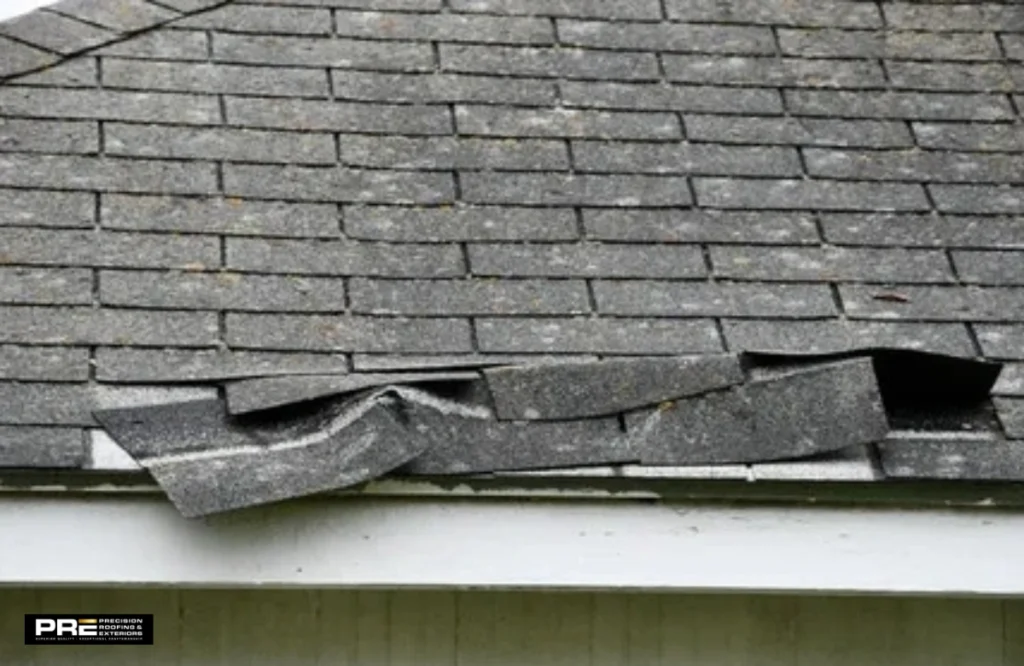
Severe weather and bad attic airflow and improper setup and neglected care will strip years off your roof fast. Asphalt shingles are supposed to last decades. Out in the real world though? Things happen. Sunlight bakes the surface. Storms roll in. Your local weather along with installation quality and basic upkeep ultimately decides when the system fails. Spotting curling shingle corners or grit sitting in your gutters usually starts a tough debate. Do you patch the visible spots or pay for a full tear off? Knowing what accelerates wear helps you decide if a quick repair buys enough time or if replacing the whole roof makes more sense.
Key Takeaways
- Severe weather along with quick temperature shifts are major shingle roof lifespan factors.
- Bad attic airflow traps heat and damp air that can ruin materials from below.
- Low hanging limbs and heavy foot traffic scrape off the protective granules over time.
- Getting periodic professional checkups helps you figure out if a quick fix or a new roof makes sense.
8 Factors That Shorten the Lifespan of an Asphalt Shingle Roof
Shingles combine a flexible fiberglass mat with sticky asphalt and tiny colored granules. The moment those materials degrade your home loses protection. Understanding the factors that shorten asphalt shingle roof lifespan helps you catch small issues before they turn into major structural repairs. Here is why systems fail early.
1. Poor Attic Airflow
Air needs to move through your attic space continuously. Poor attic ventilation can contribute to extra heat and moisture buildup which may affect roofing materials over time. Summer heat gets trapped underneath your roof deck and cooks the shingles from below. Winter dampness creates ideal conditions for wood rot or mold on your plywood decking.
2. Temperature Shifts
Morning sun warms your roof. Late afternoon rain cools it off. Daily temperature swings force your roofing materials to expand and contract over time. All that constant movement can contribute to overall wear and material aging. High winds can also grab loose shingle edges and bend them back which lets rain slide right under your primary layer.
3. Loss of Shingle Granules
Granules on top of shingles do heavy lifting for your home. They block harsh ultraviolet light and shed heavy rain. Hail along with hard rainstorms strips those granules away over time. Raw asphalt sits exposed once the granule layer drops off. Direct sun bakes the uncovered spots until shingles crack and lose their waterproofing.
4. Moss Growth
Dark roof stains usually turn out to be harmless algae. Green moss is a different story altogether. Moss can retain moisture against shingles and may contribute to deterioration if it spreads and stays untreated. Freezing winter weather near wet lifted edges speeds up damage fast by lifting shingles right off the deck.
5. Overhanging Tree Limbs
Trees cause big problems for roofs throughout every season. Scraping branches strip away protective granules during high winds. Falling leaves and twigs gather in valleys to block water flow down the slopes. Trapped wet trash gives rot a chance to start along the edges of your shingles.
6. Bad Installation Practices
Even top tier shingles fail if an installation crew rushes through the job. Installing shingles outside recommended manufacturer conditions can affect how well the whole system holds up. Proper setup should always follow clear manufacturer rules for temperature and fastening and sealing to prevent early wind damage or leaks.
7. Clogged Gutters
Gutters must move water away from your home fast. When gutters clog rainwater can overflow around the roof edge and contribute to moisture damage on fascia and soffits and nearby trim. That extra water buildup around eaves creates structural problems over time that can rot out the bottom edges of your roof.
8. Rooftop Foot Traffic
Stay off your roof whenever possible. Walking on shingles causes damage especially on hot summer days when asphalt softens up under the sun. Heavy boots can damage shingles, dislodge protective granules, and compromise factory-applied sealing strips, increasing the risk of wind damage.
Ways to Extend the Life of an Asphalt Shingle Roof
Taking simple preventative steps today keeps your home dry and prevents surprise repair bills down the road. You can easily add years to your roof’s life by staying on top of basic home maintenance.
- Keep Drainage Lines Clear: Clearing out leaves and debris twice a year lets heavy rain run off without backing up under your lower shingle courses.
- Push Back Overhanging Limbs: Trimming tree branches away from your home prevents abrasive contact and cuts down on organic litter piling up on your roof slopes.
- Ensure Free Attic Air Movement: Inspecting your intake vents helps ensure insulation is not blocking the continuous upward flow of fresh air through your space.
- Manage Moss Before It Spreads: Having a professional treat green moss safely protects your surface without blasting away the crucial protective granules.
- Watch Metal Joints and Penetrations: Having an expert check around chimneys and roof vents ensures water seals stay tight against hard rainstorms.
- Schedule Routine Roof Inspections: Bringing in a skilled crew after major storms allows you to catch wind uplift or granule loss long before interior drips start.
Conclusion
Understanding what shingle roof lifespan factors affect your house gives you the power to spot trouble before it turns into an emergency. You cannot stop the sun or storms from hitting your home but you can easily manage things like moss buildup and clogged gutters. Staying on top of basic maintenance keeps your home safe and dry.
If you see warning signs like bare spots or curling edges you do not always have to buy a brand new roof right away. Often a few simple fixes or localized repairs can stop leaks and keep your current roof working well for years to come.
When you want an honest opinion on whether to repair or replace your roof contact roofing experts like Precision Roofing and Exteriors to set up a free inspection and estimate. Our team can take a close look at your system and guide you toward the best choice for your home. Reach out to us today so we can keep your roof in top shape.
FAQs
How do I know if my asphalt shingles need repair or full replacement?
The right choice depends on roof age and the extent of the damage and the condition of the underlying system. Localized damage may be repairable while widespread breakdown or an aging roof may call for replacement. A professional inspection can help determine which approach is best.
Can bad attic airflow void my shingle warranty?
Yes it can. Most shingle companies state in their warranty terms that your attic needs proper airflow. If your roof fails because heat got trapped underneath and damaged the materials the manufacturer might refuse to cover the cost.
Is it safe to power wash my roof to clean off moss?
No you should never use a power washer on asphalt shingles. The strong water stream blasts away the protective gravel layer instantly which damages your shingles and leaves raw asphalt exposed to the elements.
How often should I have my roof looked at by a professional?
Have your roof professionally inspected periodically especially after severe weather or when you notice warning signs such as missing shingles or leaks or grit accumulating in your gutters.
Pingback: What Causes Roof Shingles to Curl or Crack? | Precision Roofing