
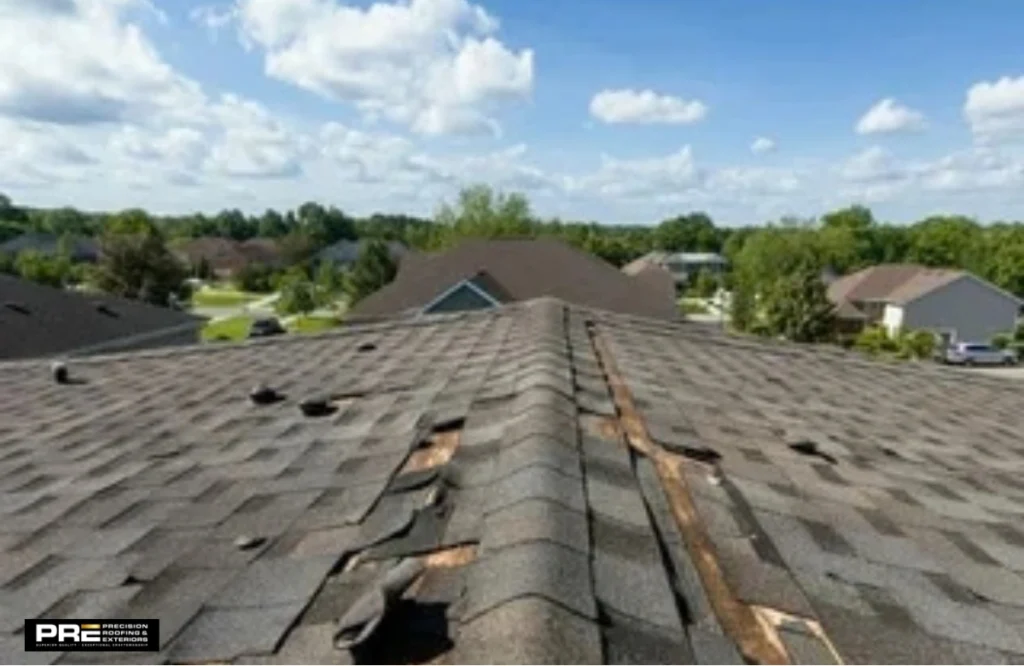
Roof shingles curl or crack mainly because of extreme attic heat along with natural aging and sudden temperature shifts and poor ventilation. When trapped heat bakes shingles from below or freezing weather expands moisture inside small surface gaps the asphalt loses its natural oils and turns brittle. Sunlight and wind then finish the job by bending dry shingle edges upward or snapping stiff tiles right down the middle. Catching these early signs of wear keeps your home dry and prevents costly structural damage to your wooden roof deck.
Key Takeaways
- Extreme attic heat and age related oil loss are primary shingle damage causes that make shingles curl or crack.
- Trapped moisture and poor airflow cook shingles from underneath and make the edges roll up fast.
- Harsh sun and fast temperature swings stress brittle asphalt until long splits open up across the surface.
- Taking simple steps like clearing attic vents and booking routine checks protects your roof deck from sudden leaks.
Causes of Roof Shingles Curling or Cracking
Shingles are built to handle tough weather out in the open. Certain conditions wear them down way faster than normal though. Here is why your shingles start curling up or snapping right down the middle.
1. High Heat Trapped Inside Your Attic
Hot air gets trapped inside your attic space when you lack good ventilation. That trapped air acts like a hot oven sitting right under your roof boards. Summer heat bakes your roof deck continuously from underneath. Heavy heat dries out the natural oils inside your asphalt shingles. Those oils usually keep your shingles soft and bendy. Once those oils dry up the material turns stiff. It starts curling up around the edges.
2. Natural Aging and Lost Asphalt Oils
Asphalt shingles rely on natural oils to stay flexible. Those oils keep rainwater out of your home. Years of hot sun and pouring rain slowly wash those protective oils away. Shingles naturally lose their stretch as they get older. They turn hard over time. The material cannot expand or shrink with changing weather patterns anymore. Simple surface movement causes deep cracks to open up right across the middle.
3. Rapid Temperature Swings and Thermal Stress
Bright sunshine heats your roof surface to high temperatures during afternoon hours. Cold night air then drops those temperatures fast. This constant heating and cooling forces your roofing materials to stretch and shrink continuously. All that daily movement puts heavy strain on brittle shingles. It leads to long stress cracks running down the surface.
4. Poor Installation and Bad Nail Placement
Shortcuts taken by an installation crew usually show up a few years later. You end up seeing warped or lifted shingles across your roof. Installers sometimes drive nails above the proper nail line. Other times they skip using enough nails per shingle. The material will not lie flat against your roof deck when that happens. Loose shingles catch wind gusts easily. That wind bends the edges up and breaks the factory glue bond underneath.
5. Installing New Shingles Over Old Layers
Laying fresh shingles directly over an old worn out roof is a shortcut. That shortcut often leads to early trouble. An old underlying roof layer is almost never completely flat. Bumps or curled edges on the old bottom layer force new shingles above to sit at weird angles. This uneven base stops the new layer from sealing right. It causes premature curling across your roof.
6. Moisture Buildup Under the Roof Boards
Trapped dampness is one of the worst enemies your roof can face. Water vapor rises up into your attic from cooking and showering. It moves through tiny ceiling gaps. That moisture settles right against wooden decking boards if your attic lacks good intake and exhaust vents. Wet decking causes plywood to swell up and buckle. Swollen wood forces the shingles on top to curl and crack along the seams.
7. Heavy Hail and Storm Damage
Hard rainstorms and hail do direct physical damage to asphalt shingles. Hailstones slam into the roof surface. They break the flexible fiberglass mat hidden inside each shingle. You might not spot a hole right away. That hidden break grows every time the sun shines or wind blows. Eventually a visible crack splits the shingle wide open.
8. Cheap Materials and Manufacturing Flaws
Not all roofing products are made with the same care. Factory materials differ in quality. Lower grade shingles might lack enough asphalt from the start. Other batches feature weak internal mats. Defective shingles wear out way faster than expected. That happens even if your attic has great airflow and the installers did everything by the book.
9. High Winds Breaking Factory Glue Seals
Modern shingles use heat activated glue strips on their undersides. Those glue strips stick overlapping courses together into a single windshield. Strong wind gusts can break that glue bond before it cures properly. Age also weakens the adhesive over time. Wind catches loose shingle edges once that seal gives out. It bends them back until the stiff material snaps off.
How to Prevent Shingle Curling and Cracking
Keeping your roof in good shape does not take constant work. You can follow a few simple habits to keep your home dry. These steps help your shingles last much longer.
- Keep Attic Air Moving Freely: Check that soffit vents stay clear year round. Fresh air needs to flow naturally through your attic space so summer heat does not bake your shingles from below.
- Inspect Roof Joints and Metal Edges Yearly: Check the seals around chimneys and vents regularly. That stops stray water from sneaking under your shingles and soaking wooden deck boards.
- Keep Overhanging Tree Limbs Cut Back: Trim back branches that shade your roof or drop piles of wet leaves. Cutting limbs prevents moss growth that can lift up shingle edges.
- Stay Off the Roof on Scorching Days: Avoid walking across your roof when it gets hot outside. Heavy boots can tear soft asphalt or snap brittle shingle corners.
- Schedule Periodic Professional Checkups: Have a skilled local crew inspect your roof deck every few years. Early checks ensure small cracks or lifted corners get fixed before leaks reach your ceiling.
Conclusion
Understanding common shingle damage causes allows you to protect your home. You can avoid costly structural water repairs down the road. You cannot control the sun or stop hard storms from rolling through your neighborhood. You can easily manage attic airflow though. You can also address minor installation flaws early. Staying on top of simple home maintenance keeps your roof looking great and doing its job through every season.
If you spot curling edges or visible cracks on your house do not wait around for a leak to ruin your drywall. Contact experienced roofing contractors like Precision Roofing and Exteriors to schedule a free inspection and detailed estimate. Our crew takes pride in honest advice and clean dependable work for every single homeowner we serve. Reach out to us today so we can keep your home safe and dry.
FAQs
Can you fix curling shingles without replacing the whole roof?
A crew can sometimes fix curling if it stays limited to a small spot. They apply roofing cement under the lifted edges and press them back down. Widespread curling across large sections usually means your shingles are worn out. That situation calls for a full roof replacement.
Is it safe to walk on a roof that has cracked shingles?
You should stay off a roof with cracked shingles. Stepping on brittle or broken shingles can snap them completely off the deck. That leaves raw paper underlayment open to rain and wind.
How does bad attic airflow cause shingles to crack?
Bad attic airflow traps heat under your roof deck. That heat dries out the asphalt oils that keep shingles flexible. Shingles turn stiff and brittle once those oils wash away. Daily heating and cooling then causes the stiff material to crack easily.