
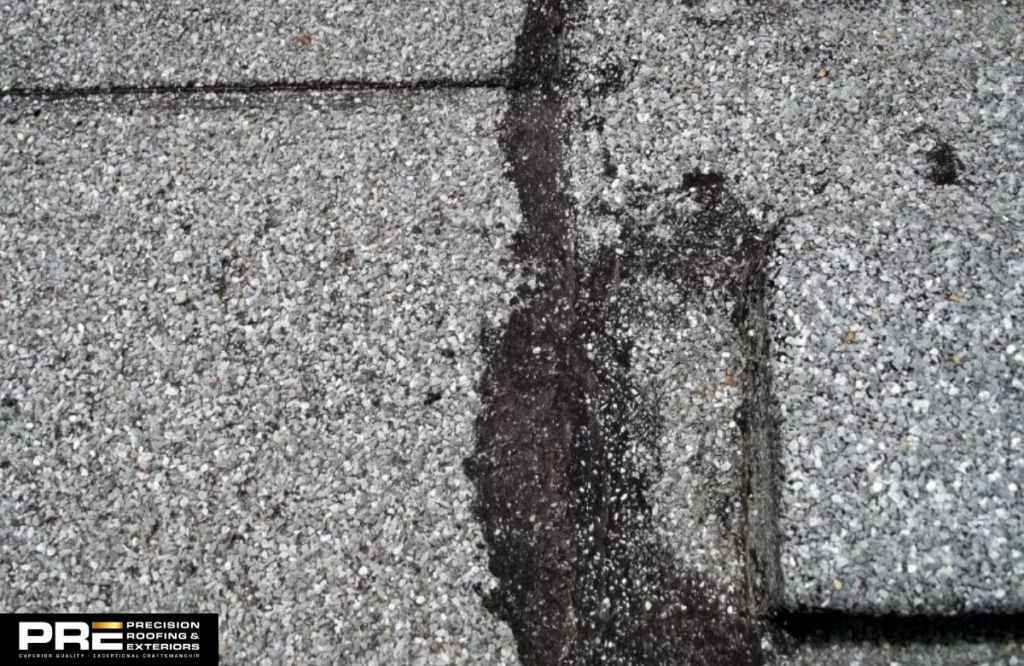
Granule loss on an asphalt roof can worry any homeowner. But the roof may still look fine from the ground. Many property owners begin asking, how to repair granular loss on the roof?
| Quick Answer
Some granule loss can be fixed without full replacement. The first step is to inspect the roof carefully. Then clean the worn areas gently and thoroughly. A roof‑specific sealant or coating can protect the exposed asphalt. Severely bald or cracked shingles should be replaced. Restoration coating can help extend the life of a mostly sound roof. Schedule regular checks to catch new wear early. This process cannot fully replace lost granules but it can slow further damage. |
Step-by-Step Guide to Repair Granular Loss on Roof
Granule loss is easier to handle when detected early. A small patch can sometimes be treated rather than torn off. These steps help protect the roof and keep it working longer.
Inspect the Roof for Damage
Walk the roof safely and check where the shingles look thin or bare. Also, look for loose granules in gutters and downspouts. Note how large the affected area is across the slope. Check for curling edges, lifted corners or cracked asphalt. The more shingles that are worn, the more serious the problem becomes. This inspection helps decide if repair or replacement is better.
Clean the Affected Area
Remove loose granules, dirt and any debris from the weak spots. A soft brush or blower is safer than scrubbing. Do not push hard or scrape because this can remove more material. Keep the roof dry before any repair step begins. If the surface is damp, wait for a clear, dry day. A clean area helps sealants and coatings bond better. Moisture trapped under the new material can weaken the roof more.
Apply Roof Sealant or Protective Coating
For small bald patches a roof sealant can help restore protection. Choose a product that is specifically made for your shingle type. Spread the sealant evenly over the bare asphalt with a brush. Cover the area slightly beyond the visible damage. This helps protect the edge where granules are starting to loosen. Some coatings also reflect more sunlight and reduce heat damage. These coatings do not replace the missing granules but form a new protective layer. Follow the manufacturer’s instructions for drying and reapplication.
Replace Severely Damaged Shingles
If the asphalt is very thin or cracked, the shingle is no longer safe. A roofer can remove individual shingles that are badly worn. New shingles are slipped into place and sealed at the edges. This restores granule coverage and corrects water‑shedding. Spot repairs cost less than a full tear‑off when only a few panels are bad. Replacing key sections keeps the roof more uniform.
Apply Roof Restoration Coating (If Needed)
On a roof with moderate wear, a broad coating can help. A roof restoration coating covers larger areas evenly. It reflects sunlight and improves water resistance. Some coatings include added granules for extra protection. This is still a maintenance step, not a permanent fix. Restoration coating works best on roofs that are not too old. It can buy extra years before full replacement.
Check and Repair Surrounding Areas
Nearby shingles may show early signs of wear. Valleys, ridges and edges around chimneys wear faster. Look for curling, loosened nails or small bald spots. Early repairs in these zones reduce stress on the whole roof. Also, check flashing around vents and skylights. Missing or damaged flashing can cause leaks on top of granule loss. Fixing small problems early keeps the roof stronger.
Schedule Regular Maintenance
Regular care helps slow future granule loss. Walk the roof after storms and look for new damage. Clean gutters and remove overhanging tree branches. Check for loose fasteners and curled shingles every year. Address small issues before they become big repairs. A maintenance plan can delay the day when full replacement is urgent. This approach also keeps the roof safer every rainy season.
What causes granular loss on shingles?
Here is what typically happens and why it matters:
- Natural aging makes the shingles less flexible over time. The material slowly loses its original strength. This can loosen the bond between asphalt and granules.
- Weather plays a big role in how fast granules fall. Heavy rain, hail and strong winds can knock them loose.
- Low‑quality or poorly made shingles may not hold granules well. Some products lose material faster than others.
- Improper installation can scrape or disturb the surface. Laying shingles in the wrong sequence can damage the coating.
- Sun heat and cold create expansion and contraction. Those cycles weaken the bond over many years.
Conclusion
The answer to “How to repair granular loss on the roof” depends on how much damage exists. Small bald spots can often be sealed or coated. Severely worn or cracked shingles usually need replacement. A roof with many weak panels may be closer to replacement. Granule repair helps slow aging if the roof is still mostly sound. Waiting too long can lead to leaks and bigger bills. Precision Roofing can inspect your roof and clearly explain what parts can be repaired and what should be replaced. A professional check helps protect your home without wasting money on work you do not really need.
Frequently Asked Questions
Can granular loss be repaired without replacing the roof?
Yes, granule loss can sometimes be repaired without full replacement. Minor patches can be sealed or coated on a sound roof. Badly worn shingles still need to be replaced. A roofer can judge how much of the roof is still safe.
Is granule loss a sign of roof replacement needed?
Some granule loss is normal on older roofs. Heavy and widespread loss often means the roof is aging fast. If many shingles are bald or cracked, the roof may need replacement soon.
Does granular loss mean I need a new roof?
Not every case of granule loss requires a new roof. A few damaged shingles can be repaired or replaced. A thorough inspection can show whether the roof mainly needs repairs or full replacement.