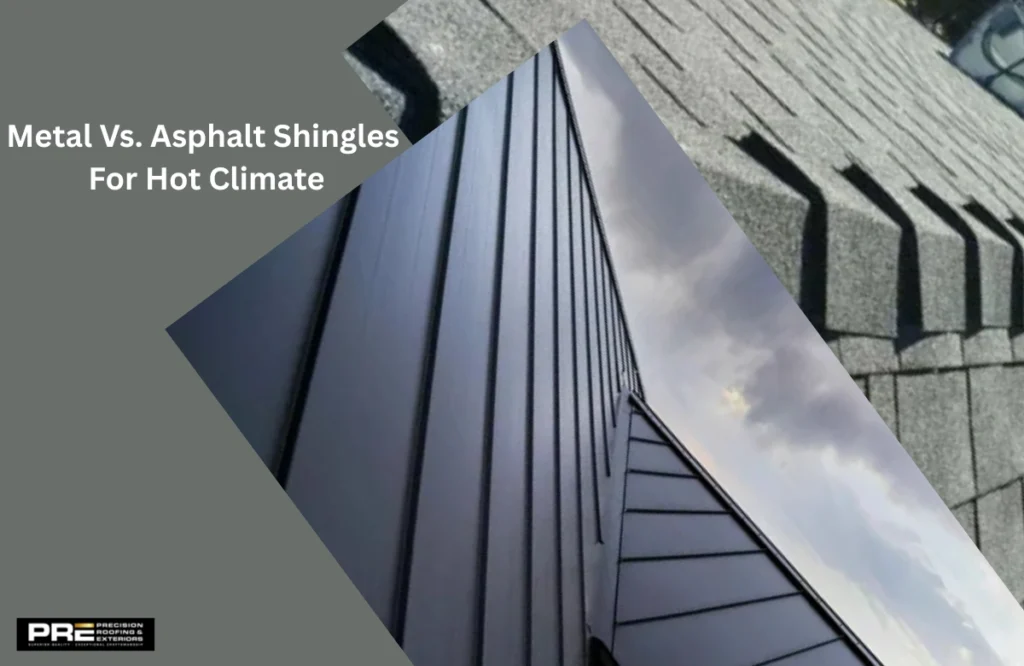
Metal roofs reflect heat strongly and they cool quickly after sunset. Asphalt shingles absorb more warmth and they age faster under harsh sunlight. Both materials protect your home. They perform very differently in extreme heat. Below you will learn how each handles daily sun exposure in detail. You will see which option saves energy. You will discover what fits your budget and style. Let us compare a metal roof and asphalt shingles side by side.
Key Takeaways
|
Comparing Metal Roofs and Shingles for Hot Climates
| Feature | Metal Roof | Asphalt Shingles |
| Heat Reflection | Very high with reflective coatings | Moderate; cool granules improve |
| Solar Performance | Aged SRI up to 90 | Aged SRI typically 14–34 |
| Indoor Temperature | Stays cooler; reduces AC load | Traps more heat; harder on AC |
| Durability | Excellent UV resistance | Prone to granule loss and cracking |
| Lifespan | 40–70 years | 15–30 years in hot climates |
| Maintenance | Low; occasional fastener checks | Moderate; inspect for curled tabs |
| Weather Resistance | Strong wind and rain resistance | Can lift in high winds |
| Noise | Louder without insulation | Naturally muffles sound |
| Installation | Complex; needs skilled labor | Faster, simpler tools |
| Upfront Cost | Higher | Lower |
| Long-Term Value | Strong due to longevity | Weaker due to earlier replacement |
| Appearance | Modern or classic styles | Traditional look; many colors |
Numbers do not tell the whole story. Your roof pitch, attic insulation, and local sun exposure matter too. A metal roof in shade performs differently from one in full desert sun. Shingles with excellent ventilation can outlast poorly vented metal. Use this table as a starting point. Talk to a local contractor for specifics.
How Do Metal Roofs and Asphalt Shingles Perform in Hot Climates?
Metal and shingles react to heat very differently. Several factors separate them clearly. Your choice depends on how each surface handles sunlight, warmth, and time. Let us look at the details.
Heat Reflection and Solar Performance
Coated metal reflects most sunlight that hits it. Asphalt shingles absorb more warmth unless they carry cool granules. The Department of Energy says reflective roofs can stay over fifty degrees cooler than dark surfaces. That difference affects your attic directly. CRRC shows metal-aged SRI reaching ninety. Shingles typically top out near thirty-four. Ratings matter more than names.
Indoor Temperature and Energy Efficiency
Metal keeps attics cooler and it cuts AC runtime. Shingles trap heat and they force your system to work harder. The Department of Energy notes that cool roofs reduce air conditioning needs. Savings depend on insulation and ventilation too. A reflective roof alone cannot fix poor attic airflow. Pair your roof with sealed gaps and thick insulation. That keeps temperatures stable.
Durability Under Intense Sun Exposure
UV rays break down roofing materials slowly but surely. They cause brittleness, fading, and surface cracks. Factory-coated metal resists this damage much better. It does not lose granules or warp. Asphalt shingles suffer more from daily sun exposure. Granules loosen. Colors fade. The surface cracks faster. Homeowners in sunny states should prioritize UV stability. That saves money on repairs.
Lifespan in Hot Climates
Metal often lasts forty to seventy years. It handles thermal expansion without cracking. Asphalt shingles typically last 15 to 30 years in harsh heat. Sun and heat accelerate aging. Granules wash off. Tabs curl upward. You replace shingles sooner. That means more tear-offs and more waste. Metal costs more upfront. The longer lifespan balances the investment nicely.
Maintenance Requirements
Metal needs occasional fastener checks and simple cleaning. Leaves and debris can scratch coatings if left sitting. Wash it gently once or twice yearly. Asphalt shingles need regular inspections for cracked or curled tabs. You must replace damaged shingles quickly. Otherwise, leaks follow. Both materials benefit from clean gutters. Good drainage prevents water backup. That protects the roof edge.
Weather Resistance
Metal stands up to wind and rain with tight seams. It sheds water fast and it resists uplift. Asphalt shingles can lift or lose granules in strong storms. Wind-driven rain finds gaps under curled tabs. However, both materials perform well when installed correctly. Proper flashing and underlayment matter more than the material itself. Invest in skilled labor for either choice.
Noise During Rain or Hail
Metal sounds louder without solid decking or insulation. Rain hits hard and creates noticeable drumming. Proper underlayment and attic insulation reduce that sound. Some homeowners add acoustic barriers. Asphalt shingles muffle noise naturally. The layers absorb impact quietly. Neither material is silent during a hailstorm. If you pick metal, budget for insulation. That keeps your home peaceful.
Installation Complexity
Metal demands specialized skills and precise flashing. Each panel must align perfectly. Mistakes cause leaks. Labor costs more and timelines stretch longer. Asphalt shingles install faster with common tools. Crews finish most homes in a day or two. That reduces labor costs. However, rushed shingle jobs create problems too. Pick experienced contractors for either material. Quality installation protects your investment.
Upfront Cost vs. Long-Term Value
Metal costs more initially but it saves energy and lasts longer. You replace it less often. You spend less on cooling. That return builds over decades. Asphalt shingles cost less upfront but they need replacement sooner. You pay for tear-offs and new materials. For short-term homeowners, shingles make sense. For long-term owners, metal often wins. Calculate your horizon before deciding.
Appearance and Curb Appeal
Metal offers modern panels or classic styles that mimic shakes. Colors range from bright white to deep green. Some homeowners love the sleek look. Others prefer traditional shingles. Asphalt shingles provide a familiar look that many buyers expect. They come in architectural and three-tab styles. Both materials offer variety. Your neighborhood style and personal taste guide the final choice. Either can look great.
Is a Metal Roof Cooler Than Asphalt Shingles?
Yes. Coated metal roofs usually stay cooler. They reflect more sunlight. They release heat faster. That keeps attic temperatures lower. The Department of Energy notes that reflective roofs can stay over fifty degrees cooler than dark surfaces. That gap matters in summer comfort. Your air conditioner works less. You feel the difference daily.
Cool asphalt shingles help but they rarely match top metal performance. They carry ENERGY STAR labels. Their aged SRI values stay much lower. A multicolor cool shingle might show an SRI near twenty-nine. Metal reaches ninety. Product ratings matter more than material names. Check the numbers before trusting color alone.
Do Asphalt Shingles Wear Out Faster in Hot Climates?
Heat and UV speed up shingle aging. Granules loosen. Tabs curl upward. Cracks form along the surface. You replace shingles sooner. The lifespan drops to fifteen or thirty years in harsh sun. That means more tear-offs. It means more waste. Your long-term costs grow even if the upfront price stays low.
Proper attic ventilation helps shingles last longer. Cool air moves beneath the deck. That reduces thermal buildup. Dark shingles in desert sun fade fastest. Choose cool-rated shingles if you prefer asphalt. They reflect more than standard options. Pair them with thick insulation. That extends their life noticeably. You still replace them sooner than metal though.
Which Roof Is Better for Extreme Heat and Strong Sunlight?
Metal generally wins in extreme heat. It reflects the sun. It resists UV. It handles thermal expansion without cracking. That makes it ideal for desert climates and tropical zones. The surface stays stable. It does not lose granules. It sheds rain fast. Your home stays protected year after year with minimal fuss.
Shingles can work if they are cool-rated and well-ventilated. Budget and home structure matter. Match the roof to your climate. Some homeowners prefer the familiar look. Others need a lower upfront cost. Cool shingles with good airflow outperform dark metal in some cases. Check product ratings. Do not assume material alone decides performance.
Can You Install a Metal Roof Over Existing Shingles?
Sometimes you can install metal directly over shingles. It saves tear-off costs. Local building codes must allow it. Your roof structure needs enough strength. The existing shingles must lie flat. Wavy or damaged layers create problems. Moisture can be trapped between old and new materials. A professional inspection determines if an overlay works safely.
Adding layers adds weight. It can hide moisture damage. It may void some manufacturer warranties. Most experts prefer a full tear-off. That reveals deck damage. It ensures proper flashing. You start fresh with a clean surface. Talk to your contractor about local code. Make the choice that protects your home long-term.
When Should You Choose a Metal Roof?
Pick metal if you plan to stay long-term. The upfront cost pays back through energy savings. You replace it less often. That saves hassle and money. Metal suits homeowners who want durability. It works well in areas with harsh sun daily. It also handles strong wind and hail better than shingles.
Choose metal if your home faces full sun exposure. You will benefit from lower attic heat. Reduced cooling bills follow quickly. Metal also works if you want a modern look. It comes in many styles. Some mimic traditional shakes. Match the material to your taste. Make sure your budget allows the investment.
When Are Asphalt Shingles the Better Choice?
Choose shingles if your budget is tight. They install quickly. They offer a familiar look. Repairs are simple and affordable. Most contractors work with them daily. You find parts easily. Shingles suit milder hot climates. They work for homeowners who plan to move within a decade. The lower upfront cost makes sense then.
Shingles also fit if you prefer traditional curb appeal. Many neighborhoods expect that look. Architectural styles add depth and texture. Cool-rated shingles improve heat performance. Pair them with good ventilation. That extends their life. You still replace them sooner than metal. For short-term ownership, shingles deliver solid value without breaking the bank.
Conclusion
Metal roofs generally outperform asphalt shingles in hot climates. They reflect more heat. They last longer. They resist UV damage. However, the best choice depends on your budget, roof structure, and how long you plan to stay.
Shingles still work when selected and ventilated well. Cool-rated shingles help in milder heat. Always check product ratings and local installation expertise. A reflective roof paired with good insulation and ventilation keeps your home comfortable. It lowers energy bills. It protects your investment.
If you want a roof that withstands extreme heat and lasts for decades, reach out to Precision Roofing and Exteriors. We can assess your home and recommend the best roofing material for your climate and budget, whether it’s a metal roof or shingles.