
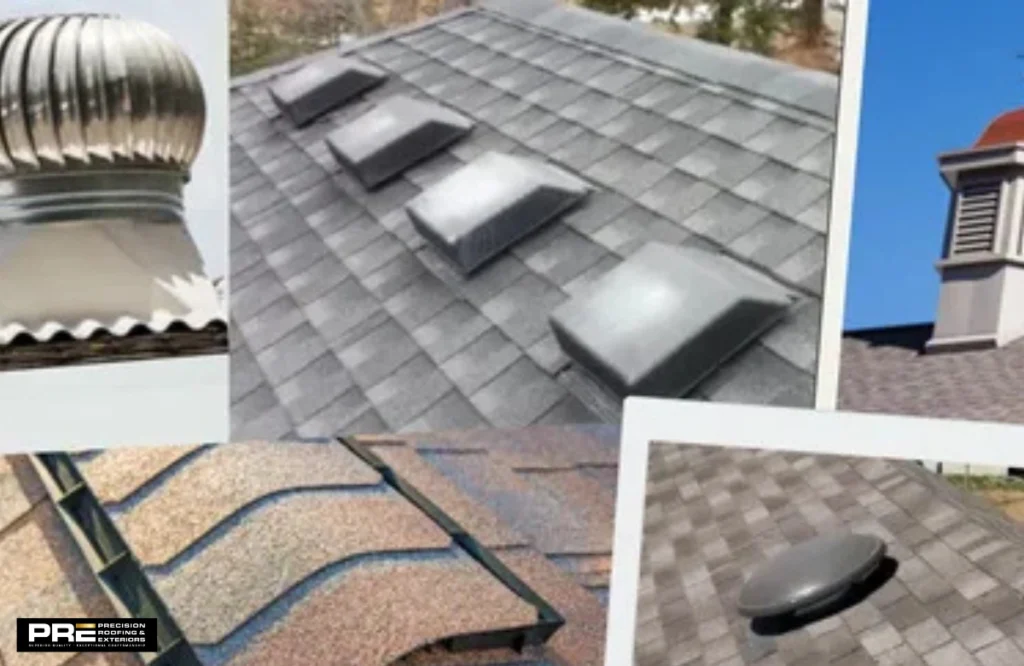
Roof ventilation is a hidden system working above you. It keeps attic air moving constantly throughout the day. Cool air enters through vents under the roof eaves. Hot air escapes through vents at the peak. This balance stops shingle damage and moisture buildup. Knowing exactly how roof ventilation keeps your attic cool and dry helps you spot problems early.
| Quick Answer
Roof ventilation works through a simple natural process: cool air enters through intake vents (usually soffit vents under your eaves), warm air rises naturally through the attic and exhaust vents (like ridge vents at the peak) remove that hot, moist air. This continuous airflow creates balanced pressure, keeping your attic cool in summer, dry year-round and protecting your roof structure from heat damage and moisture buildup that leads to mold or shingle deterioration. |
The Roof Ventilation Process Explained
Your ventilation system isn’t one single piece. It’s always several parts working together. Each component has a unique job. Some allow air to enter naturally. Others allow warm air to escape naturally. Let’s look at each piece now.
Air Enters Through Intake Vents
Ventilation starts when air enters through low vents. They live under roof eaves in soffits. Cool outside air moves into attic spaces. Most homes need balanced intake and exhaust ventilation based on roof design and local building requirements. This low point marks the beginning of the natural cycle. Warm air rises, creating a continuous flow.
Warm Air Naturally Rises Through the Attic
Sunshine heats your roof, warming attic air below. That warm air becomes lighter and rises upward, like steam from boiling water. It pulls fresh air behind it like a gentle conveyor belt. This physics-based movement happens constantly. You don’t need fans. Heat alone naturally drives airflow through your entire attic space.
Exhaust Vents Remove Heat and Moisture
Exhaust vents sit at the roof peak, letting warm air escape. Ridge vents run along the entire top edge, pulling air evenly from across the attic. Roof vents or box vents provide extra exhaust when needed. Without exhaust, hot air traps inside. Proper exhaust vents carry heat and humidity out before damage starts.
Continuous Airflow Maintains a Balanced Attic Environment
Too much exhaust without intake creates negative pressure. Proper ratios ensure steady, continuous flow. Your attic needs balanced ventilation roughly 50% intake and 50% exhaust. This balance keeps airflow moving 24/7. When it works right, your attic stays cool, dry and protected from heat buildup year-round.
Main Components of a Roof Ventilation System
Your ventilation system isn’t one piece it’s several parts working together. Each component has a specific job. Some pull air in, others push it out. Knowing what they do helps you evaluate your current setup or plan upgrades. Let’s look at each piece.
Soffit Vents
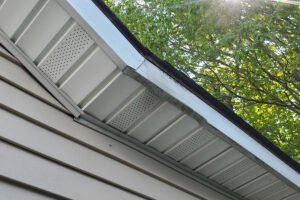
Soffit vents sit under your roof’s eaves, hidden from view. They’re your main intake point, letting cool outside air slide into the attic space. Without them, air has nowhere to enter. Most homes need soffit vents covering at least 50% of the total ventilation area for proper balance and steady airflow.
Ridge Vents
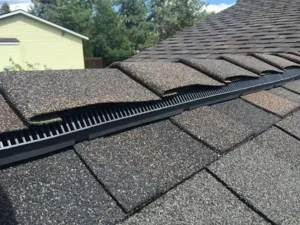
Ridge vents run along the very peak of your roof, like a long strip. They’re your primary exhaust, letting warm air escape naturally. Because they span the entire ridge, they pull air evenly from across the attic. Ridge vents work best with soffit vents for maximum efficiency and balanced ventilation.
Roof Vents
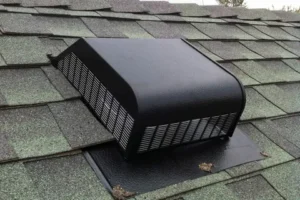
Roof vents (also called box vents) sit flat on the roof surface, spaced across the upper third. They provide extra exhaust when ridge vents aren’t enough. Each vent covers a specific square footage, so you calculate how many you need based on attic size. They’re simple but effective for older homes.
Gable Vents
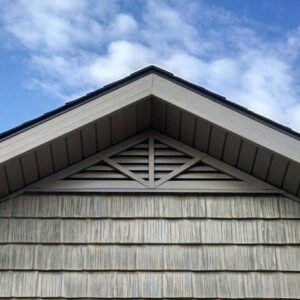
Gable vents mount on the triangular wall ends of attics in gable-style homes. They work as both intake and exhaust depending on wind direction and natural thermal movement in the attic. While useful, they’re less reliable than ridge or soffit vents since wind doesn’t always cooperate. Best used as backup ventilation, not primary intake or exhaust points.
Powered and Solar-Powered Attic Fans
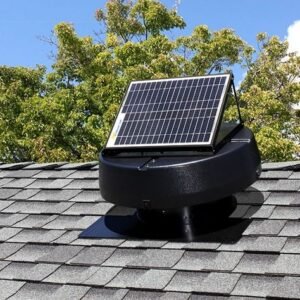
Powered fans actively draw in air when temperatures reach a set point. Solar versions run on sunlight, costing nothing extra. They help in extreme heat but aren’t needed for most homes. Natural ventilation usually works fine. Fans add expense and maintenance, so think carefully before installing one on your roof.
What Happens When a Roof Is Properly Ventilated?
Good ventilation changes everything for your home. It’s not just about cooler attics it protects your investment, saves money and keeps air clean. Here’s what you get when your system works right. These benefits stack up over the years, making proper ventilation a smart long-term play.
Reduced Attic Heat During Summer
Attic temperatures can exceed 140–150°F in hot weather without adequate ventilation. Proper airflow drops that by 30–50°F. That means your roof deck stays cooler, shingles don’t bake and heat doesn’t radiate down into living spaces. Your home feels comfortable without fighting against a superheated attic above your ceiling.
Better Moisture Control Year-Round
Winter brings humidity from inside your home. Without ventilation, that moisture condenses on cold attic surfaces. Proper airflow carries it away before it pools. You avoid water stains, warped wood and damp insulation. Your attic stays dry whether it’s freezing outside or scorching hot in Tri-Cities summer.
Improved Energy Efficiency
A hot attic pushes heat down through your ceiling. Your AC fights harder to cool living spaces. With ventilation, that heat escapes upward instead. You use less energy to maintain comfort. In Tri-Cities summer heat, that difference shows on your monthly bill. Savings add up fast over time.
Longer Roof Lifespan
Shingles baked at 150°F age faster than those at 100°F. Heat shortens their life by years. Proper ventilation keeps temperatures down, helping asphalt shingles reach their expected service life. You delay replacement costs. That’s thousands saved over time. Your roof investment pays off fully when ventilation works right.
Healthier Indoor Air Quality
Moisture in attics breeds mold. Mold spores drift down through ceiling gaps into living spaces. Proper ventilation stops mold before it starts. You breathe cleaner air. No musty smells. No hidden health risks. This matters especially for families with allergies or respiratory concerns in your home.
Common Problems Caused by Poor Roof Ventilation
Skipping ventilation or installing it incorrectly creates real headaches. Problems don’t show up immediately. They creep in slowly warped wood, rising bills, shingles curling early. Once you notice them, repairs cost more than proper ventilation ever would. Here’s what goes wrong when airflow fails.
Excessive Attic Heat Buildup
Without ventilation, attic heat traps and climbs. Summer temperatures soar past 150°F. That heat radiates down, making rooms uncomfortable. Your AC overstresses. Roof decking expands and contracts daily. Over years, that stress weakens the structure. You’re fighting heat that should’ve escaped naturally through proper vents on your roof.
Condensation and Moisture Damage
Winter humidity meets cold attic surfaces and turns to water. That moisture pools on wood, insulation and nails. Wood rots. Insulation loses effectiveness. Rust forms on hardware. You see water stains on ceiling corners. This damage spreads quietly, potentially leading to costly repairs over time.
Mold and Mildew Growth
Moisture plus warmth equals mold food. Poor ventilation creates both. Mold grows on attic wood, insulation and even roof sheathing. Spores float down into bedrooms and living areas. You smell mustiness. Allergies worsen. Removing mold requires professional cleanup. Prevention through ventilation is far cheaper than fixing it later.
Premature Shingle Deterioration
Overheated shingles curl, crack and lose granules faster. Instead of 20–25 years, they last 12–15. You replace them early. That can lead to earlier roof replacement than expected. Heat accelerates asphalt breakdown. Proper ventilation keeps temperatures down, letting shingles age naturally. Don’t let bad ventilation steal years from your roof investment.
Higher Energy Bills
Hot attics push heat into living spaces. Your AC runs longer to compensate. In hot climates, improved ventilation may reduce cooling energy use by around 10–20%. Over months, bills climb noticeably. You pay for heat that ventilation should’ve removed. Fixing ventilation often cuts bills faster than upgrading your AC unit to a new model.
How can I tell if my roof has enough ventilation?
Check for soffit vents under eaves and ridge vents at the peak. Your attic should have 1 square foot of ventilation per 150 square feet. Look for daylight through soffit gaps and feel for airflow at ridge vents to confirm proper setup.
What are the signs of poor roof ventilation?
Rusty nail heads in the attic, warm ceilings in summer, ice dams in winter, musty smells, curling shingles or water stains on the ceiling. These all point to trapped heat or moisture from insufficient airflow that needs fixing soon.
Can roof ventilation help lower energy bills?
Yes. Proper ventilation drops attic temperature by 30–50°F, reducing heat radiating into living spaces. Your AC runs less, cutting summer energy use by 10–20%. Savings show monthly, especially in hot Tri-Cities summers when heat builds up fast.
Conclusion
Roof ventilation works through simple physics rules. Cool air enters low through intake vents. Warm air rises high through exhaust vents. Ventilation removes moisture-laden air. This natural cycle protects your shingles well. It cuts energy costs consistently. It keeps your attic dry year-round. Without it, heat builds up dangerously. Moisture condenses and mold grows fast. Your roof ages quickly without ventilation. Proper ventilation isn’t optional at all. It’s essential for healthy homes always.
If you’re in Tri-Cities wondering about ventilation, call Precision Roofing. We offer free estimates today. Our team checks your soffit vents and ridge vents thoroughly. Schedule your free inspection quickly now.