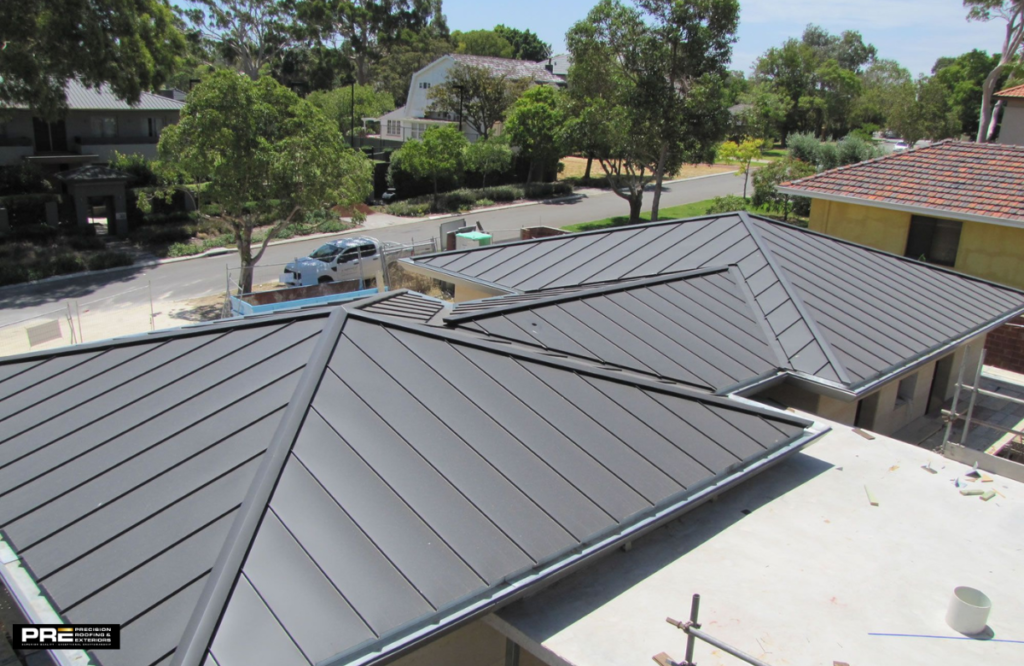
Aluminum roofing suits Tri-Cities homes if you want a light roof that never rusts and you can pay more up front. It reflects heat during 100-degree summers and can last 40 years or more. The downsides are price and softness. Aluminum costs more than steel and dents more easily. Hail is rare here so the dent risk is small. Skilled installation matters a lot because aluminum expands and shrinks with the heat.
Key Takeaways
- Weigh aluminum roofing Tri Cities homeowners can afford against steel first. Aluminum often costs more for the same roof.
- Choose aluminum if you want low weight and no rust. Choose steel if you want a lower price and a tougher surface.
- Ask for a reflective finish rated for cool roofs if summer cooling bills are your main complaint.
- Hire an installer who handles metal every week. Poor flashing and tight fasteners cause most leaks.
- Skip aluminum if you plan to sell within a few years. You may not earn back the extra cost.
Pros and Cons of Aluminum Roofing in the Tri-Cities
Here is how the main points stack up for our hot and dry climate.
| Pros | Cons |
| Aluminum resists rust, making it suitable for long-term roof protection. | Aluminum roofing can cost more initially than asphalt shingles. |
| It puts less weight on the roof structure than many heavier materials. | Hail, falling branches, and other impacts can dent some aluminum panels. |
| Quality materials and proper installation can provide decades of use. | Temperature changes cause aluminum to expand and contract, so installation must account for movement. |
| Reflective finishes can help reduce heat absorption during hot Tri-Cities summers. | Rain and hail may sound louder without suitable insulation or roof assembly. |
| Aluminum does not need regular rust treatment like some unprotected metal materials. | Matching older panels or finishes can make repairs more difficult. |
| Aluminum can be recycled, making it a useful option for homeowners concerned about material waste. | Incorrect fastening or flashing can lead to leaks and other roofing problems. |
| Properly installed aluminum roofing can handle seasonal weather changes. | Paint or protective finishes can fade, scratch, or deteriorate over time. |
After a scratch. Paint finishes with PVDF coatings hold their color for years. A light roof also suits older homes with limited framing.
The cons are mostly about money and care. Aluminum panels run roughly $10 to $18 per square foot installed. Steel often lands between $7 and $14. Asphalt shingles cost about $4 to $8. Prices swing by roof size and style, so get written quotes.
Rust is a smaller selling point here than on the coast. Salt air is where aluminum shines. The Tri-Cities get about eight inches of rain a year. Steel with a good coating does fine in that climate.
How Does Aluminum Roofing Compare With Other Roofing Options?
Aluminum beats asphalt on lifespan. It beats steel on rust. It loses to both on price.
Aluminum Roofing vs. Steel Roofing
Steel is harder and cheaper. It resists dents better and handles foot traffic better. Aluminum is lighter and never rusts. Aluminum also expands about twice as much as steel when it heats up. That matters on a dark roof facing a July afternoon. Good clips and the right panel length keep it from buckling or squeaking.
Steel needs a coating to prevent rust. Scratches expose bare metal so installers must treat cut edges. Aluminum skips that worry. If hail is your main fear, pick steel. If weight or corrosion matters more, pick aluminum.
Aluminum Roofing vs. Asphalt Shingles
Asphalt shingles generally cost less upfront, while quality aluminum roofing may last longer. Actual service life varies by product and maintenance. Wind resistance also depends on the roofing system’s tested rating and installation, so compare the manufacturers’ specifications rather than relying on one wind-speed threshold.
Aluminum Roofing vs. Standing Seam Metal Roofing
This one confuses people. Standing seam is a panel style. Aluminum is a material. You can buy standing seam panels made of aluminum or steel. Standing-seam panels have raised seams and may use concealed fasteners. Some systems are suitable for low-slope roofs, but minimum pitch requirements vary by product.
Confirm the manufacturer’s specifications before choosing a panel. Other aluminum styles include shingles and tiles that mimic wood or slate. They cost less than standing seam but have more overlaps to watch.
What Should Tri-Cities Homeowners Consider Before Choosing Aluminum Roofing?
Three things shape the result. They are slope and structure, the installer and the attic.
Roof Slope and Existing Roof Structure
Slope decides which panel style works. Standing seam can handle low slopes when it is sealed correctly. Metal shingles and tiles usually need a steeper pitch of about 3:12 or more. Check what the manufacturer allows.
The decking comes next. Soft or rotten plywood must be replaced before panels go on. Some crews install over one layer of shingles. Tearing off costs more but lets them see the wood. Aluminum is light so most frames carry it without extra support.
Installation Quality and Contractor Experience
Aluminum is soft so crews must handle it with care. Boots can scratch it. Overtightened screws can dimple it. Ask how many metal roofs the company installed last year. Confirm they are registered with Washington’s Department of Labor and Industries and carry insurance.
Ask about fasteners too. Aluminum should not touch copper or certain treated lumber. Those pairings can cause galvanic corrosion. A careful installer uses compatible fasteners and separation layers. Ask to see a finished roof nearby.
Insulation, Ventilation, and Energy Efficiency
A reflective aluminum roof helps most when the attic is ready for it. Check your insulation depth and soffit vents. Poor airflow traps heat and shortens the life of any roof. A reflective roof finish can reduce solar heat gain, but the effect on cooling costs depends on the roof assembly, insulation, ventilation, and air conditioning system. Ask the contractor whether the proposed installation includes a ventilated air space and how it is expected to affect your home.
When Is Aluminum Roofing a Good Investment for Your Home?
- It pays off when you plan to stay 15 years or more. Run the math. Two shingle roofs over 40 years can cost nearly as much as one aluminum roof. Add lower cooling costs and fewer tear-offs. If impact resistance is a priority, ask your insurer whether the roof’s specific impact rating affects your premium or coverage. Do not assume a discount will apply.
- It makes less sense when the budget is tight or you may sell soon. A well-ventilated asphalt roof still does the job. Steel is the middle path. It gives you a long metal roof at a lower price.
- Check your HOA rules before you pick a color. Some neighborhoods limit metal.
Conclusion
Aluminum is light and rust-proof. It reflects heat and lasts for decades. It also costs more and dents more easily than steel. For most buyers, the choice comes down to budget and how long you’ll stay. If you’re comparing aluminum roofing Tri Cities homeowners can choose, get a written quote and compare it with a steel option for the same roof. Precision Roofing & Exteriors can inspect your roof, check the decking and attic, and explain which metal fits your home and budget. Call today to schedule an inspection and get a detailed quote.