
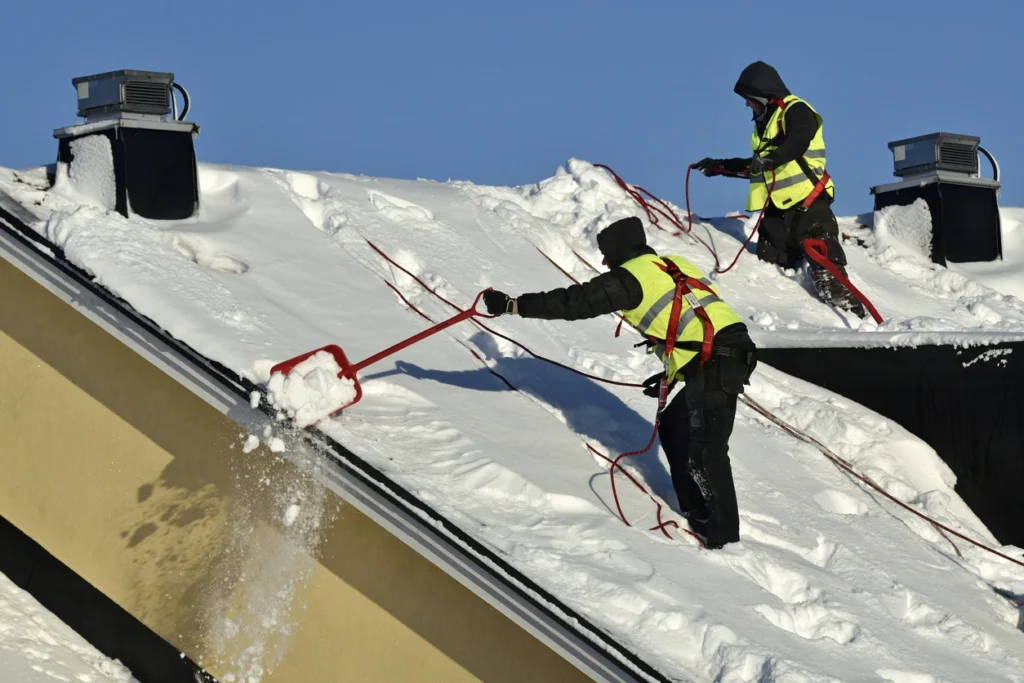
Before the first hard freeze hits the TriCities, you need to check seven key areas on your roof: clear out leaves from your gutters, inspect shingles for cracks or curling, look for loose chimney flashing, examine rubber pipe boots, check for moss growth, inspect attic vents, and trim back low hanging tree branches. Winter weather brings a harsh mix of freezing rain, heavy snowfall, ice ridges and biting winds that can punish a neglected roof. Taking time to look over your home right now is the best way to catch minor surface damage before it turns into an expensive indoor leak. Cold weather makes shingles brittle, meaning any pre existing cracks can fail quickly under the weight of winter ice. Running through a simple fall checkup keeps your home warm, dry and protected all season long.
Key Takeaways
- Completing a thorough pre winter roof checklist helps homeowners identify hidden shingle damage, clear clogged gutters and seal vulnerable flashing gaps before freezing weather arrives.
- Removing leaves and debris from gutters stops ice dams from forming along your eaves during heavy snowstorms.
- Checking attic insulation and ventilation prevents trapped warm air from melting snow on your roof and causing severe water backups.
- Inspecting rubber boots around plumbing vents and chimney flashing keeps melting snow from seeping into your ceiling joists.
7 Things to Check Before the First Hard Freeze
Preparing your home for severe cold weather requires checking key structural zones across your entire roofing system. Here are seven crucial checks to complete before freezing temperatures hit the TriCities.
1. Clear Leaves and Organic Debris from Gutters and Downspouts
Fall leaves, small twigs and pine needles collect quickly in your gutter channels. When heavy rain or melting snow cannot flow freely through your downspouts, water backs up under your roof shingles. Once temperatures drop below freezing, that trapped water turns into heavy ice, weighing down your gutters and pulling them completely away from your fascia boards.
2. Inspect Asphalt Shingles for Cracks, Curling or Missing Pieces
Walk around your property with a pair of binoculars to examine your roof surface closely. Look for shingles that are curling at the edges, cracking down the middle or completely missing after autumn windstorms. Damaged shingles leave your underlying roof deck exposed to freezing moisture, which expands as it turns to ice and rips the surrounding materials apart.
3. Check Chimney and Wall Flashing for Gaps or Rust
Flashing consists of thin metal strips installed around chimney bases, skylights and wall intersections to keep water out. Over time, seasonal temperature shifts cause metal flashing to bend or loosen. Inspect these joints to make sure sealant has not dried out or cracked, leaving open paths for melting ice to trickle directly into your living space.
4. Examine Rubber Pipe Boots and Roof Vents
Plumbing stacks and exhaust vents stick out through your roof deck and are sealed with rubber boots. Sunlight and summer heat make these rubber collars brittle, causing them to crack open over time. Cold winter rains will easily penetrate cracked rubber boots, leaking down your vent pipes and staining your bathroom or kitchen ceiling.
5. Look for Moss, Algae or Heavy Mold Growth
Dark patches of moss and algae look unsightly but they also act like sponge material that holds onto water. When trapped moisture inside moss freezes, it expands and lifts the edges of your shingles. This breaks the factory seal underneath, allowing strong winter winds to blow shingles right off your home during a storm.
6. Inspect Attic Insulation and Air Ventilation Outlets
Proper attic ventilation plays a massive role in maintaining your roof health during freezing months. Go up into your attic space and make sure soffit vents are not blocked by insulation rolls. Good airflow keeps your roof deck cold, which stops snow from melting prematurely and forming destructive ice ridges along your lower roof edges.
7. Trim Back Overhanging Tree Branches
Heavy ice and snow accumulation can easily snap dead or overgrown tree branches. If large limbs hang directly over your home, strong winter winds can scrape them against your shingles, tearing off protective surface granules. Trimming branches back at least six feet keeps your roof safe from sudden impact damage during winter storms.
Why You Should Get Experts to Inspect Your Home Before Winter
While a ground level visual check is a great starting point, climbing onto a steep, frost covered roof is extremely dangerous for any homeowner. Bringing in trained professionals ensures every square foot of your roof gets evaluated safely with specialized equipment.
- Safe Evaluation of Dangerous Roof Slopes
Professional inspectors have the safety harnesses, ladders and footwear needed to navigate steep or slick roof decks without risking dangerous falls. - Detection of Hidden Subsurface Moisture
Experienced technicians use thermal cameras and moisture meters to catch trapped water, rotting plywood and insulation damage that looks totally fine from the ground. - Proper Sealing with Cold Weather Materials
Roofing crews carry high grade caulks and sealants specifically made to adhere in freezing temperatures, ensuring temporary patches stay tight all winter. - Protection of Your Manufacturer Warranty
Many shingle manufacturers require documented professional maintenance to keep warranty coverage active when severe weather causes structural damage.
Conclusion
Taking time to prepare your home before freezing temperatures arrive is the absolute best way to avoid stress, structural damage and sudden financial burdens. Catching minor shingle damage, clearing out clogged gutters and sealing gaps around roof vents keeps your living space warm, cozy and completely dry throughout the coldest months of the year. Following a thorough pre winter roof checklist protects your property value and ensures your roof performs perfectly through every winter storm. When you want complete peace of mind before the first snowfall hits, contact us at Precision Roofing and Exteriors today to schedule your professional pre winter roof inspection.
Frequently Asked Questions
When is the best time to schedule a pre winter roof check?
It is best to complete your inspection during mid to late autumn, right after the trees finish dropping their leaves but before the first hard freeze or snowfall arrives in your area.
How do ice dams form on a roof during winter?
Ice dams form when heat escaping from an under insulated attic melts snow on the upper roof. The melting water runs down to the cold eaves, freezes into a solid ice ridge and traps subsequent snowmelt behind it.
Can a roof be repaired during freezing winter weather?
Yes, emergency repairs can be made in winter but cold temperatures make asphalt shingles stiff and harder to seal. Completing repairs before the cold sets in is always easier, faster and more cost effective.
Pingback: Winter Roof Care Calendar for Tri-Cities Homes: October Through February