
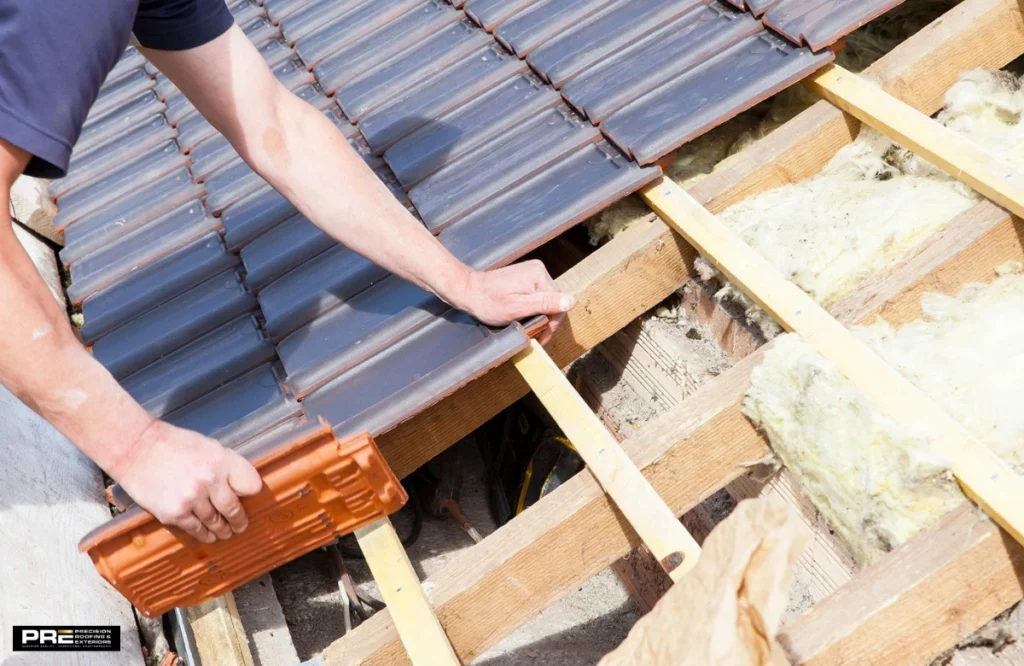
Many homeowners watch their roofs age over the years from the sun, rain, and wind. They wonder how to protect their home without huge expense or long disruption. What is re-roofing and how does it work, becomes an important question at that moment.
Re-roofing adds a fresh layer of shingles directly over your existing roof. It skips the messy tear-off process and still delivers strong new protection. Professionals inspect the old surface first, then prepare it carefully before installing the new layer.
The entire job usually finishes in just a few days. You enjoy enhanced protection against the weather while saving time and money compared to a full roof replacement. This smart option keeps your home safe and attractive with minimal hassle.
What Is Re-Roofing?
Re-roofing means placing fresh shingles over your existing shingles without removing the old layer. This method creates a second layer that boosts protection fast. It suits homes with just one prior layer in decent shape. Many families choose it to quickly refresh their roofs.
- Your roof gains extra defense against rain and wind right away.
- The process skips heavy demolition, so your yard stays cleaner overall.
- You save significantly on labor costs since the old material stays in place.
- Most asphalt shingles work well for this simple upgrade option.
- Building codes often limit you to a maximum of two layers, though.
- It adds slight weight yet rarely strains a strong roof structure.
- Energy efficiency improves a bit with the new top surface added.
Historic homes often prefer this method to preserve original charm underneath.
This choice works great in many situations around the country. It gives solid value without full commitment to replacement. You enjoy peace of mind sooner than expected.
How Does Re-Roofing Work?
Re-roofing follows clear steps to efficiently transform your current roof. Experts handle each part carefully to ensure lasting quality. The whole job usually finishes in just a couple of days.
Step 1: Roof Inspection
Professionals start with a detailed roof inspection from every angle. They look for damage, cracks, or soft spots hidden below. This check confirms that your existing shingles can safely support the new layer. You receive honest feedback about suitability right then.
Step 2: Preparation of the Existing Roof
Workers clean the surface and fix any minor issues they find. They completely remove any loose granules or debris before proceeding. Proper preparation creates a smooth base for strong adhesion later. This step prevents future problems from developing beneath the surface.
Step 3: Installing the New Roofing Layer
Crews apply underlayment where needed, then lay the fresh shingles. They stagger each row carefully for the best waterproofing results. Special nails secure everything firmly against strong winds ahead. The new layer blends nicely with your home’s overall style.
Step 4: Final Inspection and Cleanup
Experts perform a thorough final inspection after installation is complete. They test for leaks and trim edges perfectly around vents. The team hauls away all waste materials, leaving your property spotless. You get a clean, updated roof ready for years ahead.
When Is Re-Roofing a Good Option?
Re-roofing shines when your roof shows only surface wear without deep problems. It offers smart value for single-layer setups still in solid condition. Many homeowners choose it to avoid higher full-replacement costs now.
- Your current roof has just one layer of shingles intact.
- Minor curling or granule loss is present, but no leaks yet.
- You want faster completion with less mess around the house.
- The budget stays tighter this year, yet protection matters most.
- Local codes permit a second layer without issues arising.
- The structure underneath feels strong during initial checks.
- You plan to sell soon and need a quick curb appeal boost.
- Warm climates suit this method when heat buildup stays minimal.
Consider your specific home and local weather patterns carefully. Re-roofing delivers excellent results in the right scenarios. It extends life without unnecessary full-overhaul costs.
How Much Does Re-Roofing Typically Cost?
Re-roofing costs noticeably less than a complete roof replacement in most cases. Average projects range from $5,000 to $12,000, depending on size. Factors like material choice and your roof pitch affect the final price. Recent pricing shows re-roofing often saves thirty to fifty percent compared to full tear-off jobs. You avoid heavy labor fees and disposal costs this way. Many homeowners enjoy solid protection without breaking their budget.
Conclusion
Re-roofing offers a smart, efficient way to refresh your home protection. It adds a strong new layer over solid existing shingles. You achieve quick results with minimal disruption and lower overall costs. This method suits many situations perfectly when conditions align well. Now you know exactly what re-roofing is and how it works. It delivers fresh protection without the mess or high expense of a full replacement.
Ready to see if this smart solution fits your house perfectly? Contact the friendly team at Precision Roofing today. We provide expert guidance and free inspections for your specific needs. Visit our site and schedule your appointment now. Your roof will thank you for the thoughtful upgrade ahead.
FAQs
What’s the difference between a new roof and a re-roof?
A new roof removes every old layer down to the deck, then rebuilds fully. Re-roofing simply adds fresh shingles over the existing ones instead. The first option allows deep inspection, while the second saves time and money nicely.
What does a re-roof include?
A re-roof includes inspection, preparation, new shingle installation, and final cleanup steps. Workers handle minor repairs and secure everything properly during the process. It creates a clean, updated surface without full demolition involved at all.
Which type of roofing is best?
Asphalt shingles often work best for re-roofing projects due to their flexibility and cost. They suit most homes well and provide reliable long-term performance overall. Your local climate and style preferences help decide the ideal choice easily.