
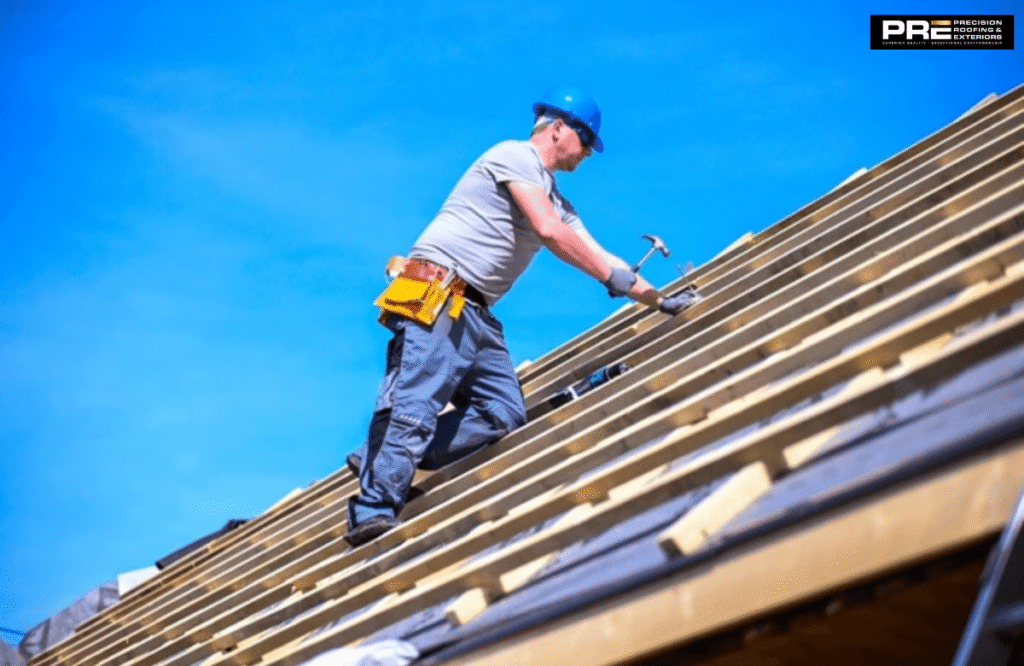
If you have been staring at your shingles and wondering whether it is finally time to do something about them, you are not the only one. And that question usually comes right after the bigger one: what is the best time of year to replace a roof? Most people assume that roofers only work in perfect weather, but the truth is that they can work in every season.
Some months just make the job easier, cleaner, or more cost-effective. Spring warms everything back up. Early summer gives crews long days. Fall feels almost engineered for roofing. Winter works when it has to. Once you understand how temperature, humidity, daylight hours, material behavior, and scheduling interact, choosing the best time of year starts feeling like a natural part of planning.
When Is the Best Time to Replace Your Roof?
If you need the quickest answer possible, early summer and early fall are usually the best times. They give you warm weather without the extremes and fewer weather surprises. But those are not the only options. Roofers install roofs twelve months a year, and each season brings something different to the table. If you’re planning ahead or want to ensure your home is fully prepared before booking work, using roof inspection services can help you understand the best timing for your specific situation. The helpful move is to look at all four seasons side by side and see which one matches your needs.
Seasonal Breakdown: Pros and Cons of Roof Replacement in Each Season
Here is the breakdown by seasons:
1. Spring
Spring is the “wake-up” season for roofing. Crews return to predictable schedules, and homes begin to thaw out from winter.
Pros
- Comfortable temperatures help shingles seal up properly. Asphalt needs a certain amount of warmth.
- More time for scheduling. Spring is busy, but not as packed as summer.
Cons
- Rain delays are common. One storm can disrupt an entire week’s plan.
- Cold mornings can slow down the activation of adhesives. Early spring does not always behave.
2. Early Summer (Late Spring into Early Summer)
Once the rainy weeks fade, this season slides into one of the smoothest times for roof replacement.
Pros
- Dry weather gives crews a clean run at your project. Fewer interruptions.
- Longer days mean faster completion. More sunlight equals more work hours.
Cons
- High demand means tighter scheduling. Everyone wants this timeframe.
- Extreme heat can cause shingles to soften in hotter states. Soft shingles scuff easily.
3. Fall (Late Summer into Early Fall)
If roofing had a “sweet spot,” it would be fall. Roofers love it. Homeowners love it. Shingles love it.
Pros
- Perfect temperatures help everything bond the way it should. Not too hot, not too cold.
- Low humidity and steady weather. Installations stay on schedule.
Cons
- You must book early. It fills up fast because everyone knows it is ideal.
- Shorter days reduce working time. Crews move efficiently, but daylight fades early.
4. Winter (Cold Weather Months)
No roofer will tell you winter is ideal, but sometimes repairs or replacements cannot wait. Damage, leaks, storm issues — those do not care what month it is.
Pros
- More availability. It is the slowest part of the year.
- Potential lower pricing. Off-season discounts sometimes pop up.
Cons
- Seal strips may not activate until warm weather returns. Temporary hand-sealing is often needed.
- Snow and ice slow down work. And safety becomes a major consideration.
How Season Affects Roof Quality, Cost, and Scheduling
Before choosing a season, it helps to understand why these seasonal swings matter in the first place.
Material Performance
Shingles have a “comfort zone.” Too much heat softens them. Too much cold stiffens them. Moderate conditions help them lock together naturally.
Labor Conditions & Crew Safety
Roofing is physical. Slippery surfaces, extreme heat, heavy winds — they all change how quickly and safely a crew can work.
Availability and Pricing
Roofing follows supply and demand. Popular months mean packed schedules and sometimes higher prices. Off-peak seasons mean more flexibility.
Timeline and Weather Delays
Storms, early sunsets, heat waves: weather shapes the pace of your project. The calmer the season, the quicker your installation finishes.
6 Tips to Choose the Best Time for Your Roof Replacement
If you are stuck between seasons, here is a simple way to narrow it down. Just walk yourself through these checkpoints:
- What roof material are you choosing? Asphalt likes mild weather. Metal is less picky.
- What kind of weather patterns does your area get? Some states go straight from winter to summer.
- Is your roof leaking or sagging? Urgency beats perfect timing.
- What is the contractor schedule looking like? Good companies book early.
- Do you have personal timing needs? Renovating before selling? Before winter? Before holidays?
- What does your budget look like? Off-season installations can save money, depending on demand.
These questions help you choose the right window, rather than hoping your timing works out.
Conclusion
Now that you understand how weather, materials, and schedules interact, picking the best time of year to replace a roof becomes far simpler. Early summer and early fall typically provide the smoothest installations, but spring can also work well when conditions remain mild. Winter remains an option too, especially when leaks or storm damage make waiting unsafe.
Every season comes with trade-offs, and the best choice depends on your specific climate, timeline, and level of urgency. If you want a team that knows how to install a roof safely and correctly, regardless of the season, Precision Roofing can guide you through the process and complete your replacement the right way from day one.