Roofing is a crucial part of every building, whether residential or commercial. It protects us from the elements and ensures the structural integrity of our property. Regarding roofing materials, PVC roofing is a popular choice due to its durability and cost-effectiveness.
But what exactly is PVC roofing? In simple terms, PVC roofing is a type of plastic roofing material made from polyvinyl chloride. It’s known for being lightweight, durable, and resistant to many common problems other roofing materials face, like leaks and damage from harsh weather.
What Is PVC Roofing?
This roofing type is highly valuable due to its longevity and resistance to the elements. PVC roofing systems are known for their reflective properties, making them energy-efficient. This means they can help reduce cooling costs by reflecting sunlight and minimizing heat absorption. The benefits of PVC roofing make it a preferred choice for both commercial and residential flat roofs.
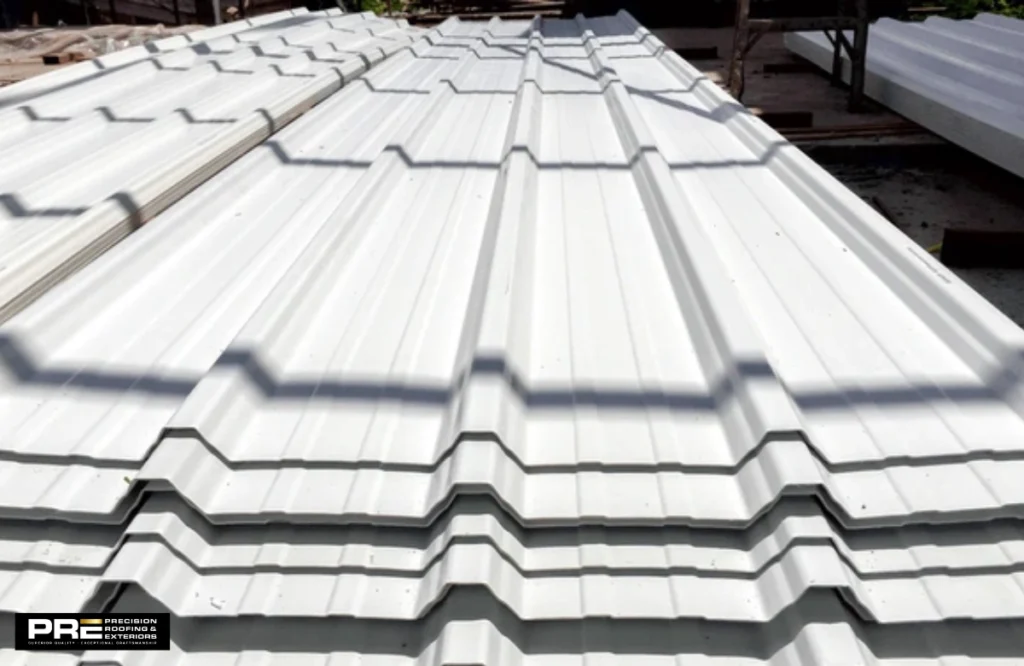
PVC roofs, typically 6 to 18 feet wide, are available in sheets and can be welded with heat or solvent. They are ideal for flat or low-slope roofs, where other materials might not work as effectively. PVC roofing is also resistant to water, making it a great choice for areas that experience heavy rainfall or snow.
What Are the Key Features of PVC Roofing?
PVC roofing offers several key features, making it a popular option for property owners. Let’s break them down:
1. Durability
PVC roofing is known for its long lifespan, often over 20 years with proper maintenance. It can resist cracking, peeling, and tearing, making it a reliable choice for long-term use.
2. Weather Resistance
PVC roofing is highly resistant to the elements. It withstands wind, rain, and even harsh UV rays, making it ideal for all climates.
3. Low Maintenance
Unlike other roofing materials that require frequent repairs, PVC roofing demands little maintenance. Regular inspections and occasional cleaning are enough to keep it in top condition.
4. Energy Efficiency
The reflective nature of PVC helps keep buildings cooler by reducing heat absorption. This can lead to lower energy bills during the summer months.
5. Fire Resistance
PVC roofing materials are fire-resistant, adding extra protection to your property.
PVC Roofing Installation Process
PVC panels installation typically involves the following steps:
- Preparation: The roof deck is cleaned and prepared to ensure the surface is smooth and debris-free.
- Membrane Placement: The PVC membrane sheets are placed on the roof.
- Seaming: The seams between the sheets are welded together using heat or adhesive to create a watertight seal.
- Inspection: The roof is inspected for potential issues, and finishing touches are applied to ensure the membrane is securely in place.
Applications of PVC Roofing
PVC roofing is commonly used in various applications, mainly in commercial and industrial buildings. However, it is becoming more popular for residential projects as well.
1. Commercial Buildings
PVC roofing is widely used in commercial buildings due to its durability, weather resistance, and energy efficiency. It is commonly seen on warehouses, office buildings, and shopping centers.
2. Industrial Buildings
Many industrial facilities use PVC roofing because of its resistance to chemicals and stains. These buildings often have flat roofs, making PVC an ideal material choice.
3. Residential Homes
While less common than asphalt shingles, PVC roofing is gaining traction in residential areas, especially homes with flat or low-slope roofs.
Benefits of Choosing PVC Roofing
Choosing PVC roofing for your property has several benefits that make it stand out among other materials.
1. Cost-Effective Solution
While PVC roofing might have a higher upfront cost than other options, its long lifespan and minimal maintenance requirements make it a cost-effective solution. Property owners can save money on repairs and energy costs, making it a valuable investment in the long run.
2. Environmentally Friendly
PVC roofing is also an environmentally friendly option. It is 100% recyclable, so old PVC roofing materials can be repurposed and reused, reducing waste. Additionally, its reflective properties can help reduce the heat island effect, especially in urban areas.
3. Easy Installation
Installing PVC roofing is quicker and easier than other materials, especially for flat roofs. Since the sheets come in large sizes, they cover more area, reducing the number of seams and the risk of leaks.
4. Resistant to Chemicals and Stains
PVC roofing is resistant to many chemicals and stains, making it a great option for buildings near industrial areas or places prone to pollution. This feature ensures your roof remains in great condition for years.
How PVC Roofing Is Better Than Other Roof Types?
PVC has several advantages compared to other roofing materials, especially in terms of durability and resistance to the elements. Here’s a quick comparison:
- Asphalt Roofing: Asphalt is less durable and requires more maintenance than PVC. PVC roofing has a longer lifespan and is better suited for flat roofs.
- TPO Roofing: TPO is similar to PVC but tends to be less durable and prone to damage from UV rays. PVC has superior resistance to weather and chemicals.
- EPDM Roofing: EPDM, or rubber roofing, is less expensive than PVC but doesn’t offer the same energy efficiency and durability level. PVC roofs are more resistant to heat, UV rays, and weathering.
Conclusion
PVC roofing is a durable, energy-efficient, cost-effective solution with many benefits. Whether you’re considering it for a commercial or residential property, PVC roofing can provide excellent protection from the elements, reduce energy costs, and minimize maintenance requirements. It’s a high-quality roofing material that can withstand time and weather. For expert PVC roofing installation and reliable roofing services, contact professional roofing contractors like Precision Roofing today.