
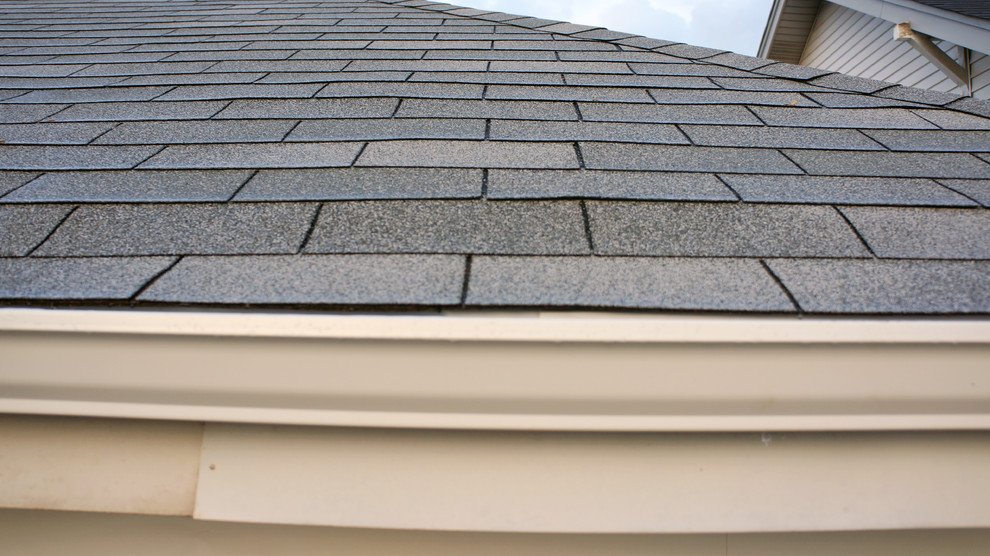
You’ve probably stood outside in a rainstorm and noticed water slicing off a roof’s edge, splashing into the gutters. That’s exactly where a drip edge earns its keep. So, what is a drip edge on a roof? It is a thin strip of metal flashing installed along the roof’s lower (eaves) and side (rake) edges that flows water into the gutters and keeps it from sneaking back under shingles or soaking wood boards. It may look small, but it’s the quiet piece that keeps moisture from rotting wood, trickling into walls, or undermining your home’s edge details, storm after storm.
Understanding What’s Exactly a Roof Drip Edge
The edge of your roof is one of the most exposed and vulnerable parts of the entire system. Rainwater doesn’t politely fall straight down and disappear. It clings, curves, and follows surfaces thanks to surface tension. Without something guiding it, water can actually bend back toward the house instead of dropping cleanly into the gutter. It’s a narrow piece of metal or similar material that sits right at the roof’s edge, both along the horizontal eaves and the angled rakes, and gives water a straight path into the gutter.
A drip edge sits at two main spots:
- Eaves: the horizontal bottom edge of the roof
- Rakes: the angled side edges of a roof slope
Here’s a quick comparison of common materials used for drip edge:
| Material | Durability | Best Use Case |
| Aluminum | High corrosion resistance | Most residential roofs |
| Galvanized Steel | Very strong | Harsh weather areas |
| Copper | Extremely durable | High-end or aesthetic installations |
| Plastic/Vinyl/Fiberglass | Low durability | Limited use, generally less suitable for roofing edges |
Types of Drip Edge Flashing Profiles
Here’s a quick look at common drip edge shapes and where they’re typically used:
| Profile Type | Shape Description | Typical Use |
| Type C (L Style) | Classic L-shaped angle | Standard eave and rake edges are the simplest and most common on most residential roofs |
| Type D (T Style) | T-shaped profile for better water diversion | Directs water farther from the fascia, good for steep pitches or heavy runoff |
| Type F (Gutter Apron) | An extended profile that covers more edges | Ideal for reroofing and added protection, especially where gutters sit lower |
Benefits of Installing a Drip Edge
Installing a drip edge is a low‑cost upgrade with high impact:
- Lasts Longer: By keeping water off wood and underlayers, everything stays stronger longer.
- Better water management: Guiding water neatly into gutters cuts down on leaks, rot, mold, and soil erosion near your house’s foundation.
- Pest Deterrent: That metal edge closes up tiny gaps that curious insects or even small critters might otherwise squeeze into.
- Sharper Look: A completed roof edge just looks tidier. It’s subtle, but people notice when things look well-built.
These benefits aren’t a theory. Roof pros install drip edges because they consistently reduce leaks and long‑term damage.
Drip Edge Installation Process
Getting the drip edge correct matters. A sloppy install undermines all its benefits:
Installation Order
- On the eaves (bottom edge), the drip edge typically goes under the roofing underlayment.
- On rakes (side edges), it usually goes over the underlayment so wind‑driven rain can’t sneak in.
Fastening and Overlap
- Corrosion‑resistant nails secure it in place, spaced evenly in a pattern that resists pull‑out.
- The pieces overlap so water flows seamlessly from one section to the next.
Spacing and Alignment
- A drip edge that’s wavy or loose lets water sneak through — careful alignment is as important as material choice.
Long‑Term Performance
- When that edge is tight and true, the whole roof system breathes easier: fewer leaks, fewer surprises, and less wood damage showing up years later.
Building Code and Roofing Standards
Drip edge isn’t optional in most places anymore. Residential building codes, such as the International Residential Code, require a metal drip edge at eaves and rakes on shingled roofs.
Codes call for:
- Correct placement relative to the underlayment
- Secure mechanical fastening
- Corrosion-resistant materials
Meeting these standards matters because building inspections check for compliance, and omitting the drip edge can create issues during resale or future remodeling.
Conclusion
Understanding what a drip edge on a roof is and why it matters changes how you view roof lines. It isn’t decorative trim. It’s a key water‑management component that protects the wood, supports gutters, and extends your roof’s life. Installed correctly and to code, a drip edge keeps water exactly where it should be and out of places it shouldn’t.
Investing in proper materials and installation isn’t just about ticking a box; it’s about long‑term performance and structural integrity. When your roof controls water well at the edges, the rest of the system works better, too. You can contact Precision Roofing for professional installation.
Frequently Asked Questions
- Is drip edge expensive?
Drip edge is inexpensive, usually costing little, and prevents costly roof water damage long-term.
- What happens if there is no drip edge?
Without a drip edge, water can seep behind gutters, causing rot, leaks, and foundation damage.
- Can you install shingles without a drip edge?
Yes, but skipping a drip edge risks water damage, rot, and shortened roof lifespan.