
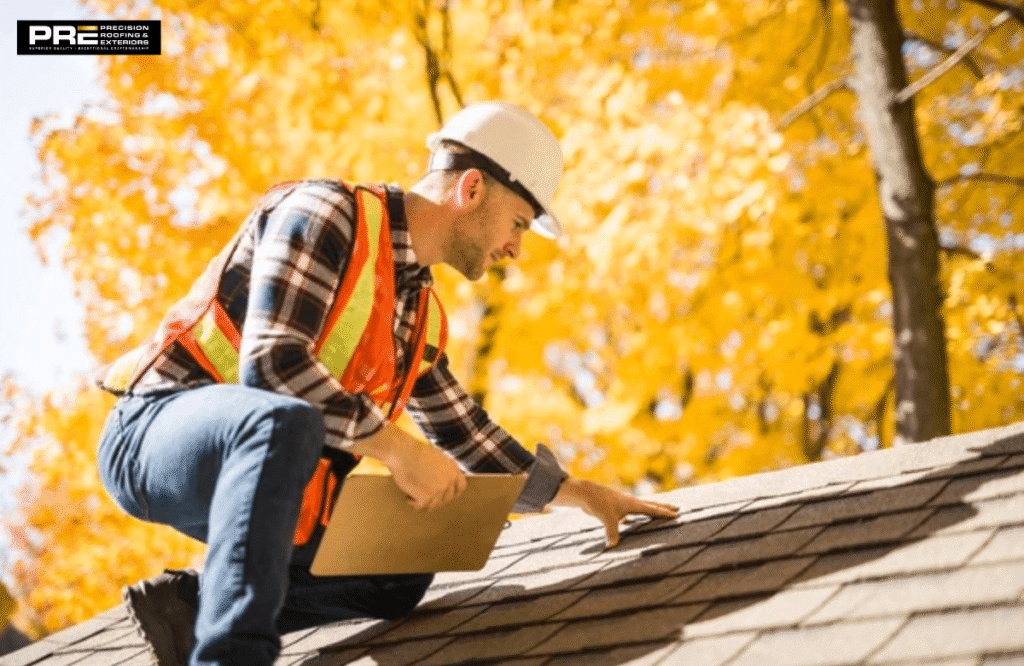
You can see some missing shingles, and you’re unsure whether to replace the roof or not. It is one of the dilemmas of homeowners. Repairs will initially be cheaper, but the entire replacement will cost more money at first glance. The decision between roof replacement cost and repair cost depends on several factors. Small jobs, such as fixing a minor leak or replacing a few shingles, typically cost between $500 and $5,000.
Extensive or severe damage increases the repair costs but typically remains less than the replacement costs. It is considerably more expensive to have a complete roof replacement, particularly when the roof is large or composed of high-quality materials. It comprises new underlayment, materials, labor, debris removal, and disposal. The size, material, complexity, and structural problems all affect the final price.
Typical Costs: Repair vs. Replacement
Now let’s compare regular costs for repair and replacement.
Repair Costs
If the damage is minor, such as a few missing shingles or a small leak, the job might cost only about $150 to $1,500. Sometimes, if the damage is more extensive (such as water damage or partial roof work), you may incur additional costs, possibly up to a few thousand dollars. Most repairs fall within that range.
Replacement Costs
Replacing the entire roof is a bigger expense. For a basic roof, many homeowners pay between $8,000 and $15,000. However, if you prefer stronger materials, such as metal, tile, or slate, or have a larger or more complex roof shape, costs can increase significantly. Replacement means new underlayment, materials, labor, and debris removal. It’s often several times pricier than a simple repair.
What Influences Roof Replacement Cost
Several elements can shift the final price considerably:
| Factor | How It Affects Cost |
| Roof size / square footage | Larger roofs require more shingles and more work, so they cost more overall. |
| Material type | Basic asphalt shingles are budget‑friendly. Premium materials, such as metal, tile, or slate, cost more but often last longer. |
| Roof shape, pitch & accessibility | Steep roofs, multiple slopes, chimneys, or dormers make installation more challenging and time-consuming, which increases labor costs. |
| Removal & disposal of old roof | Getting rid of the old roofing means extra labor and disposal fees — that adds to the bill. |
| Labor & contractor skill | If the job is tricky or you want top‑quality installation, expect higher charges for skilled roofers. |
| Underlying repairs or structural fixes | If the base or underlayment has damage, fixing it adds materials and time, increasing the overall cost. |
What Determines Roof Repair Costs
Repair costs are more variable than many expect. Key influences include:
| Key Factor | Why It Matters |
| Extent & severity of damage | A few missing shingles or a small leak means a cheap fix. Widespread rot or structural issues can cost much more. |
| Roof material & type | Common materials are easier and less expensive to repair. Rare or premium materials require more skill and are more expensive. |
| Roof slope, design & accessibility | Easy‑access, simple roofs = easier repairs. Steep or complex roofs with chimneys or vents require more work and incur higher costs. |
| Labor, permits & overhead | More complex jobs, structural fixes, or permits/inspections increase time and cost. |
When Repair Makes More Sense
Repair tends to be the better choice when:
- Damage is small (just a few shingles or a leak).
- You spot the problem early.
- Your roof isn’t too old or worn.
- You want to postpone a full replacement temporarily.
If the problem is small and contained, a repair can restore protection efficiently — and at reasonable cost.
When Roof Replacement Is the Better Option
Full replacement becomes the right option when:
- Damage is widespread or structural (leaks, rot, deck issues).
- The roof is old and has undergone multiple previous repairs.
- You want to reduce the frequency of future repair calls.
- Roof shape or materials are complex and would need frequent maintenance if patched.
Often, a new roof can be viewed as a long-term investment. It provides peace of mind, reduces the risk of leaks or structural issues, and minimizes the need for ongoing maintenance and repairs.
Long-Term Cost Comparison
If you repeatedly patch up problems, repair costs over 5–10 years can add up, especially if the roof is aging or damage keeps creeping in. Meanwhile, a proper replacement provides a fresh roof that lasts for decades (depending on the material), reduces the frequency of repair calls, and often comes with warranties or improved energy efficiency if done correctly.
Delaying a necessary replacement can incur “hidden costs,” including water damage inside the house, structural deterioration, a higher frequency of repairs, and even an increased risk of interior damage (such as mold, rot, or leaks). That’s why a full replacement sometimes pays off sooner than expected.
Conclusion
Deciding on roof replacement cost vs. repair cost goes beyond just the dollar signs. It’s about how long you want the roof to last, how much peace of mind you need, and how often you’re willing to call a contractor again. For minor leaks or a few loose shingles, a repair would be enough.
However, if the roof is aging, repeatedly troublesome, or damaged across large areas, a full replacement tends to pay off in the long run. A new roof might cost more now, but it often brings long-term value, reliability, and fewer headaches down the road. Contact Precision Roofing for a consultation and to receive an accurate estimate for your roof replacement or repair needs.