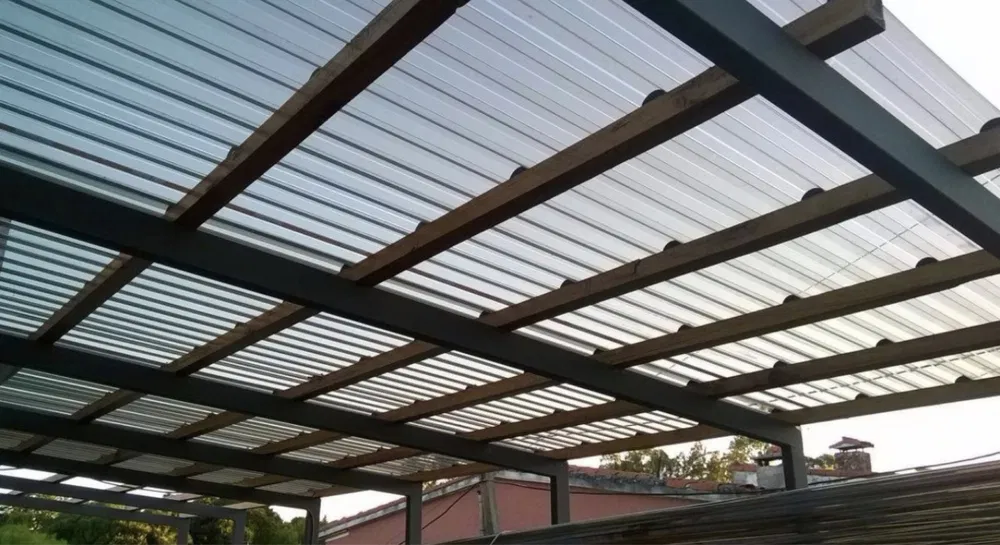
Suntuf roofing consists of polycarbonate panels commonly installed on patios, greenhouses, pergolas, and carports. The panels are lightweight, flexible, and designed to handle outdoor exposure. They resist impact, sunlight, and shifting weather conditions better than many traditional materials.
Over time, the surface does not stay clear on its own. Dust settles. Leaves collect near overlaps. Bird droppings harden and block light. When debris stays in place, transparency drops, and sunlight becomes uneven.
Cleaning is required to keep the panels working as intended. There are multiple ways to clean Suntuf roofing, like rinsing with water, using a mild cleaner, brush scrubbing, removing the debris layer, and inspecting the surface.
Understanding Suntuf Roofing Material
Suntuf panels are made of polycarbonate, a tough plastic that is specially made to yield to pressure rather than to break. It is thus safe, unlike glass, wherein the material can bend slightly and still not shatter, making it a suitable choice for outdoors, where the structure will be in contact with the elements.
The cleaning methods used should be appropriate for the material’s properties. Polycarbonate does not withstand being cleaned with strong chemicals or rough tools. Furthermore, scratches made during cleaning will also make it more difficult to clean the panel in the future.
High water pressure might even force dirt to get into the seams or unfasten the fastener. The best way to keep the panel in good condition and at the same time protect its surface is to use mild soap, soft tools, and low water pressure.
Step-by-Step Cleaning Process of Suntuf Roofing
Below is a step-by-step cleaning process of Suntuf roofing:
Get Safety Gear
Before you begin cleaning, make sure you protect yourself properly. Roof surfaces can become very slippery, especially when wet, and this increases the risk of falling. Wear gloves to protect your hands from dirt and sharp edges. Choose non-slip shoes so you can stand and move safely.
Use eye protection to keep water, dust, and soap from splashing into your eyes. Taking these small safety steps helps prevent injuries and makes the cleaning process safer and more comfortable.
Remove Loose Debris
Start by removing loose dirt and debris from the roof before using any water or soap. Washing the surface will create scratches because leaves, dust, and small twigs will contact the surface. The panels should be cleared with a soft broom or a leaf blower for gentle cleaning.
The process needs to be done with slow movements because any contact with hard objects will create damage. The first step protects the panels while making the cleaning process easier and more effective.
Rinse with Water
After loose debris has been taken away, the panels need to be washed with clean water. The first step of this process removes all surface dust from the panels, which enables their complete cleaning. The user should operate a standard garden hose while maintaining low water pressure to prevent equipment damage.
The rinsing process should begin at the highest point, after which water should flow downwards to remove all dirt. The gentle rinse process enables users to remove remaining dirt while reducing the risk during upcoming procedures.
Mix Mild Cleaner
You need to create a gentle cleaning solution for panel washing purposes. The presence of strong chemicals will result in material degradation, which will also destroy any surface protective coatings. Use warm water mixed with a small amount of mild dish soap.
The product should not contain bleach or ammonia together with any aggressive cleaning substances. Then, the soap needs to be stirred until it completely dissolves in the mixture. The mild cleaner effectively removes dirt while maintaining panel protection and its transparent strength.
Apply Cleaning Solution
Apply the cleaning solution carefully to the panels so it spreads evenly. Use a soft sponge or cloth and work on small sections at a time. This helps prevent streaks and makes sure all areas are cleaned properly.
Gently wipe the surface without pressing too hard. Make sure the soap covers the dirt but does not dry too quickly. Even application gives better results and leaves the panels looking clean and clear.
Soft Brush Scrub
Try using a soft-bristled brush to remove any remaining dirt after rinsing. The user should apply light pressure while moving the brush across the surface. The goal of this process is to remove dirt from the panel without using grinding techniques.
When scrubbing, try to concentrate on dirt accumulation areas while preventing excessive scrubbing. A soft brush protects the surface while it effectively removes attached dirt. The process enables object cleaning to achieve transparent results that remain free from scratch damage.
Clean Stains
Some stains need extra care for their removal, particularly when dealing with bird droppings and algae spots. The technician should apply additional soap to these spots and let it rest for a brief period to dissolve the soiled material. The technician should use a soft brush or cloth to perform gentle scrubbing.
The process requires slow handling because any forceful action will result in permanent damage. The process of stain removal requires time because it protects both the surface and the original material from harm.
Rinse Well
The panels need complete rinsing after scrubbing to remove all remaining soap. The presence of soap residue results in cloudy stains, which attract additional dirt during subsequent periods. The process requires clean water to be used for rinsing, which should start from the top and proceed to the bottom.
The process requires you to examine edges and overlaps because soap tends to hide in those areas. The process of rinsing continues until clear water flows without any remaining suds.
Let Panels Dry
The panels need to be left to dry through their own process after they have been rinsed. Air drying decreases the risk of scratches, which occur when people use rough towels to wipe surfaces. You are allowed to use a soft cloth for gentle blotting, but you must not use it to rub the surface.
The panels maintain their smoothness and transparency through natural drying processes. The current step enables you to examine all areas for extra cleaning requirements before you complete your work.
Inspect Surface
The surface needs to be inspected after the panels have completed their drying process. The inspector should search for tiny fractures, unsecured fasteners, and areas that accumulate dirt. The current inspection allows you to discover existing issues that will develop into more serious problems.
Damage to your property will begin at the edges and corners of your space. Your system remains in optimal condition through routine checks, which also assist you in determining when repairs and additional maintenance should occur.
Maintenance Tips for Suntuf Roofing Material
Here are some of the most effective maintenance tips for Suntuf roofing:
Visual Check
Small issues are easier to correct when found early.
- Inspect panels regularly.
- Watch for discoloration.
- Identify early damage.
Mild Cleaners
Chemical damage often appears slowly but permanently.
- Use non-abrasive soap.
- Avoid chemical sprays.
Avoid Scratches
Scratches reduce clarity and weaken the surface.
- Soft tools only.
- No steel wool or rough pads.
Tight Fasteners
Loose fasteners allow movement during wind and rain.
- Check screws and caps.
- Tighten where needed.
Fix Leaks
Water intrusion damages structures beneath the panels.
- Inspect overlaps.
- Reseal pooling areas.
Remove Moss
Moss increases slipping risk and traps moisture.
- Clean growth early.
- Use mild soap and water.
Conclusion
Suntuf roofs can be cleaned without the use of force, only using simple tools and controlled methods. The use of trained personnel, mild cleaners, and soft brushes not only provides the roof with a superficial protection but also preserves its light transmission. Close monitoring of fasteners, seals, and organic growth leads to the prevention of situations where the durability of the panel is compromised. If proper and consistent cleaning is done, the Suntuf roofing will continue to protect the outdoor area and, at the same time, remain clear and strongly supported.
For professional and top-quality cleaning of suntuf roofing, head straight to Precision Roofing. We offer a wide range of roofing services.
Frequently Asked Questions
What is the best cleaner for polycarbonate roofing?
A mixture of mild dish soap and water is recommended as the best cleaner for polycarbonate roofing. It is advisable to keep abrasive cleaners, bleach, and ammonia away since these can damage the panel’s surface and lead to reduced transparency.
How long does Suntuf last?
Suntuf would usually last for 15 to 20 years when properly maintained. The combination of UV protection and gentle cleaning works together to slow discoloration and wear down.
What time of year is best for Suntuf roof cleaning?
The best seasons for cleaning a Suntuf roof are spring and early fall. Cleaning during moderate temperatures minimizes the possibility of heat stress or freezing damaging the roof.