How to Clean Suntuf Roofing?

How to Clean Suntuf Roofing?

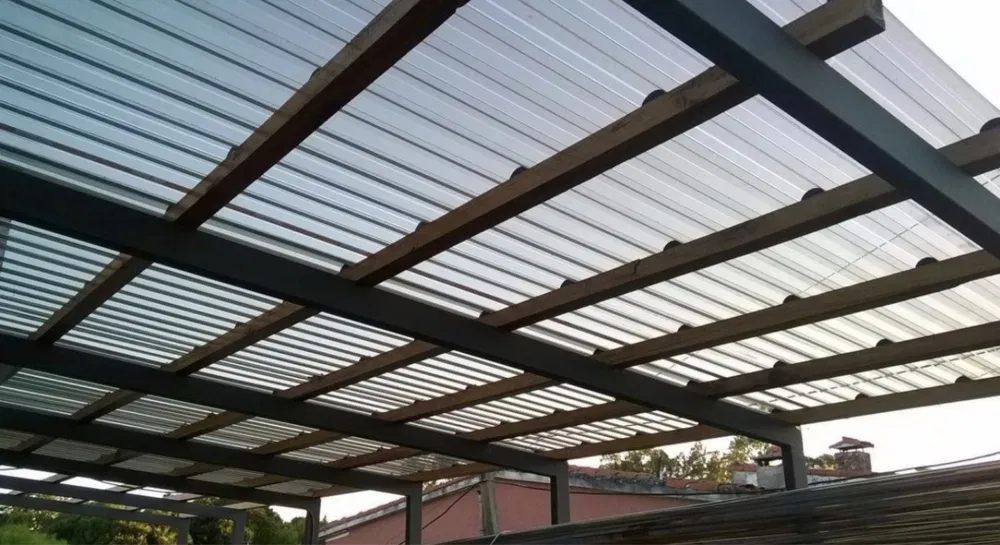
Suntuf roofing consists of polycarbonate panels commonly installed on patios, greenhouses, pergolas, and carports. The panels are lightweight, flexible, and designed to handle outdoor exposure. They resist impact, sunlight, and shifting weather conditions better than many traditional materials. Over time, the surface does not stay clear on its own. Dust settles. Leaves collect near overlaps.

How to Clean Suntuf Roofing? Read More »
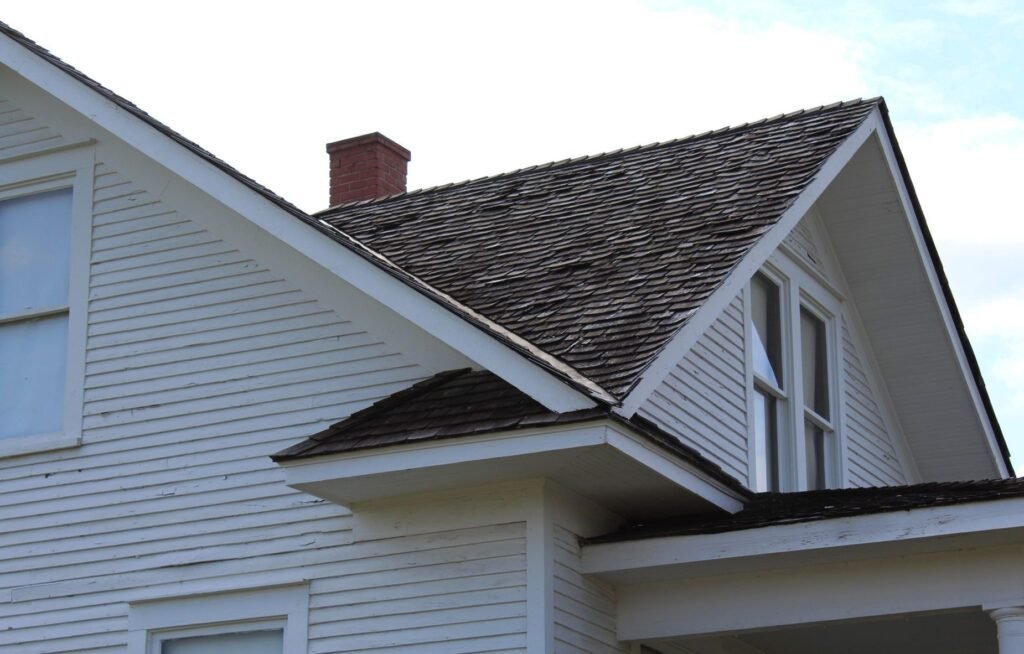
What is TPO Roofing? A Comprehensive Guide

What is TPO Roofing? A Comprehensive Guide

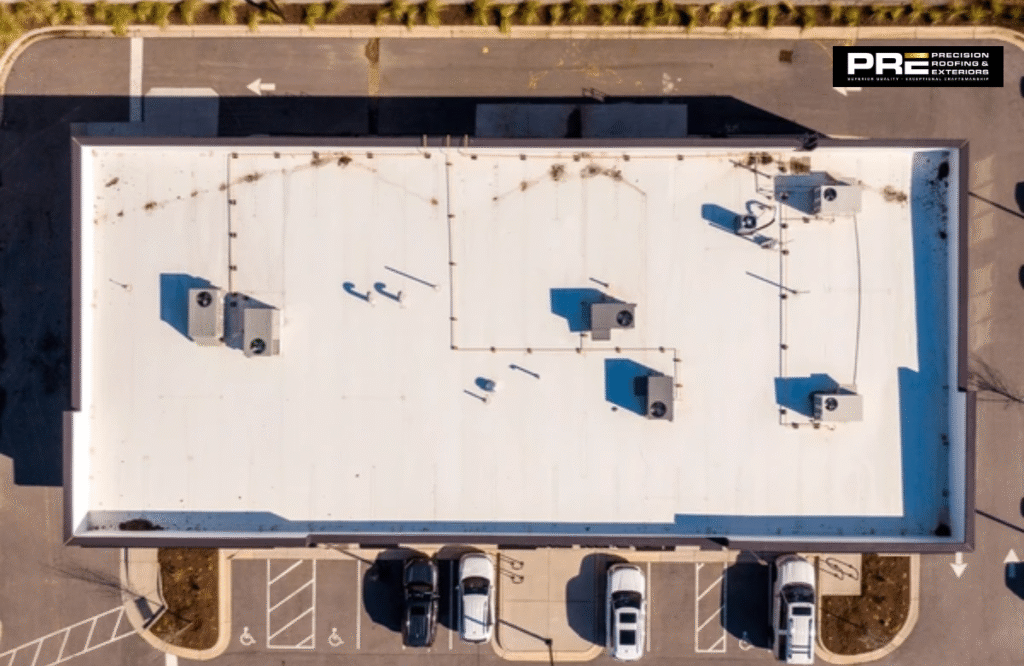
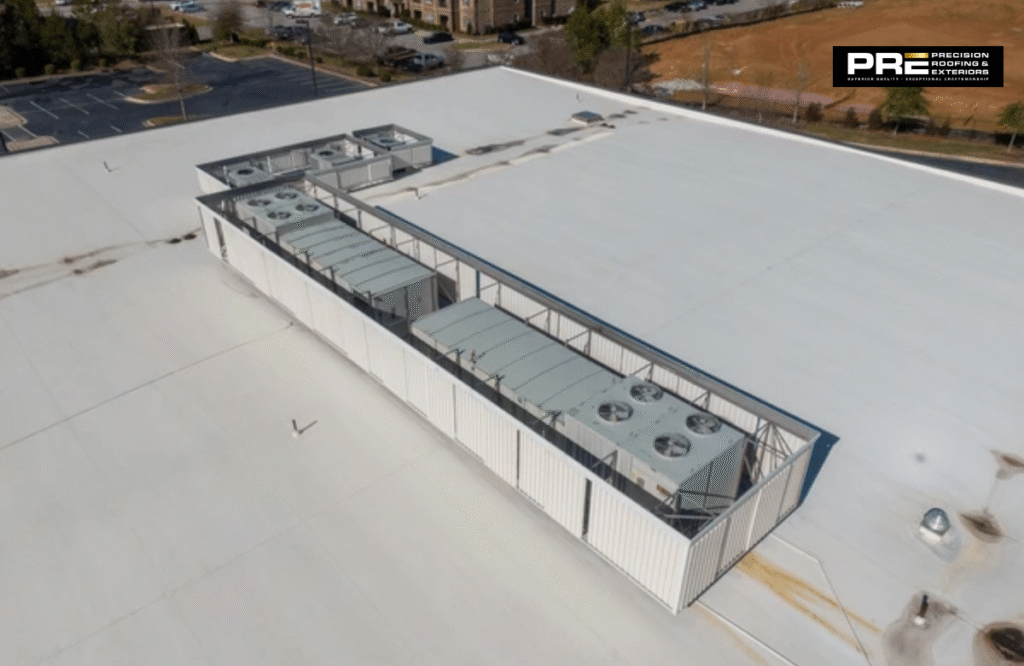
TPO roofing is a single-ply membrane used on flat and low-slope roofs. It’s made from thermoplastic polyolefin, a blend that delivers strength, flexibility, and heat-weldable seams. Installers roll out sheets, align overlaps, and fuse them with hot air to form a continuous, watertight layer. Because it reflects sunlight and resists many chemicals, it’s common in

What is TPO Roofing? A Comprehensive Guide Read More »

Seasonal Roof Maintenance Tips

Seasonal Roof Maintenance Tips

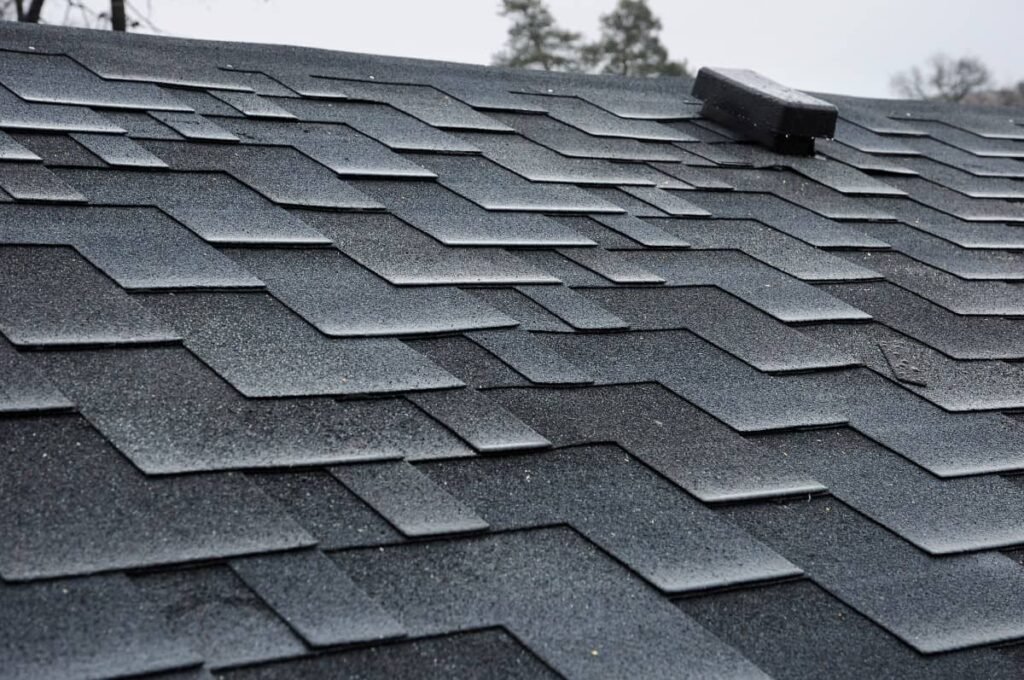
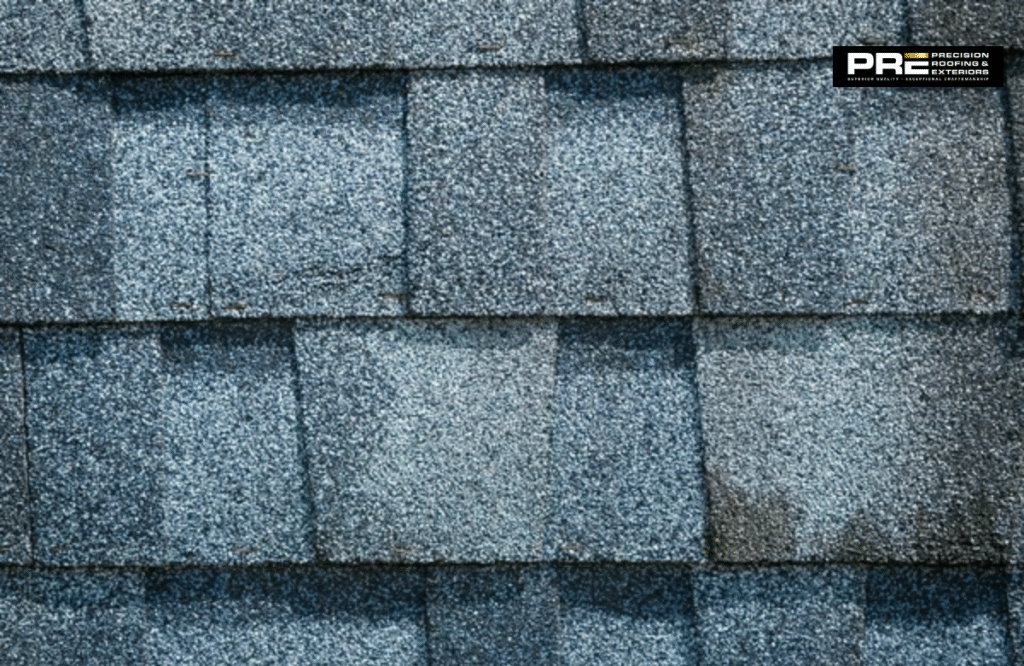
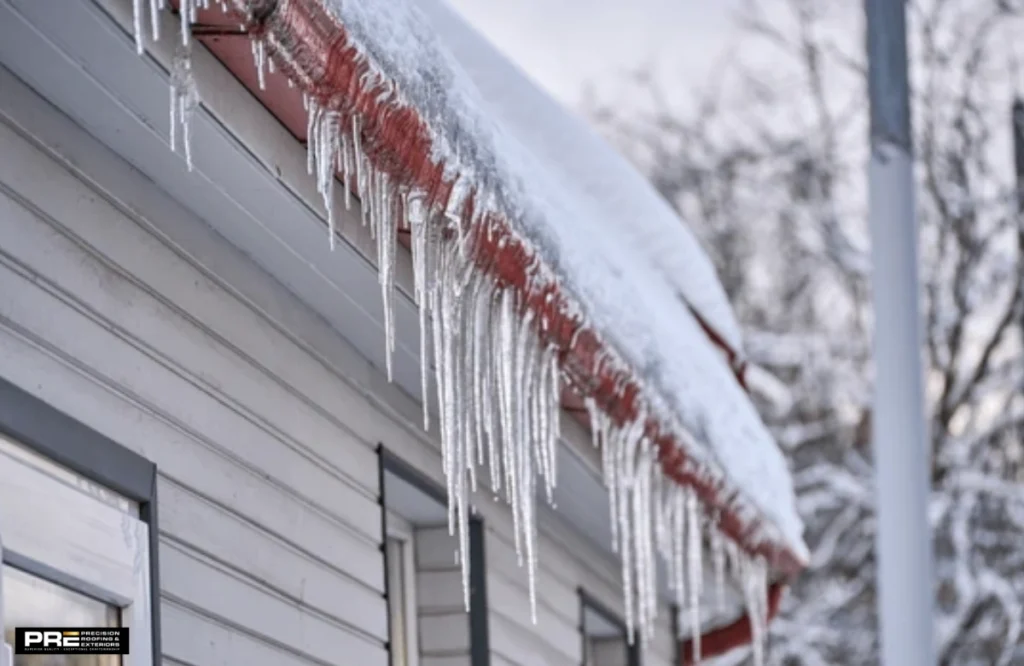
Roof longevity improves when minor issues are found early and resolved without delay. Environmental conditions, heat, wind, rain, snow, and temperature swings, place different pressures on roofing systems throughout the year. A structured maintenance routine divided by season reduces the risk of leaks, reinforces structural integrity, and stabilizes long-term energy costs.  To practice the best

Seasonal Roof Maintenance Tips Read More »

Class 3 Shingles vs. Class 4 Shingles: What's the Difference?

Class 3 Shingles vs. Class 4 Shingles: What’s the Difference?

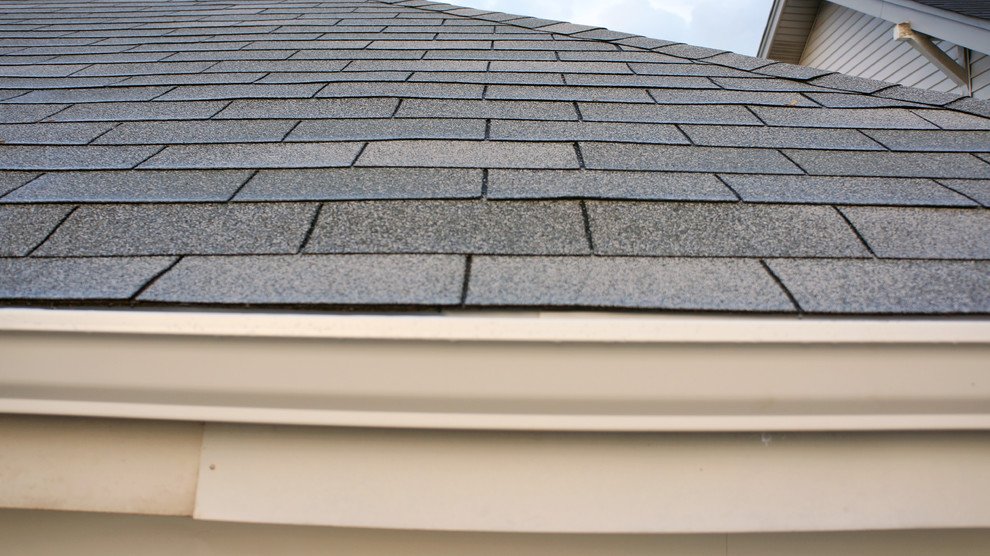
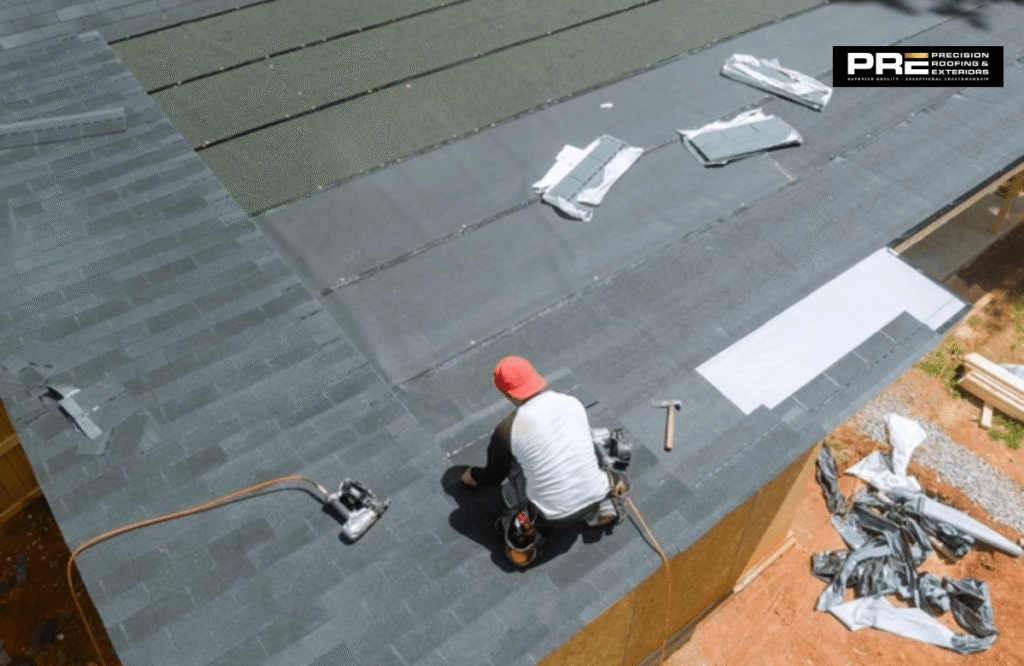
Roofing choices matter most on the worst day, during a hailstorm or a week of freeze–thaw cycles. Shingles that look alike from the ground can behave very differently when struck by hail or debris. That difference shows up as cracks, granule loss, or leaks months later. Impact ratings help buyers compare products in a simple,

Class 3 Shingles vs. Class 4 Shingles: What’s the Difference? Read More »