
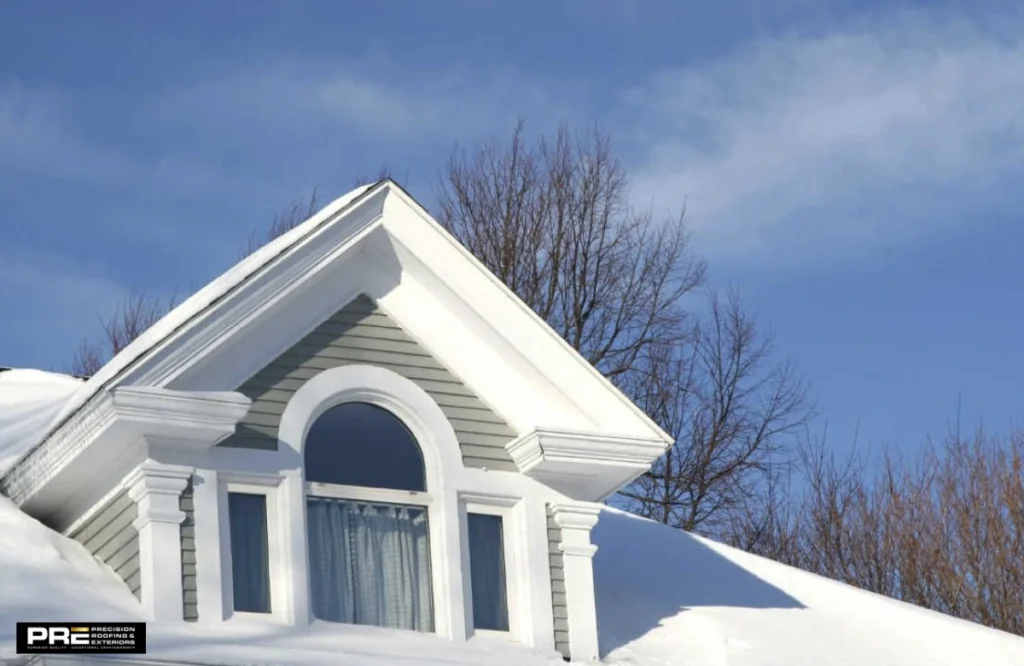
Your roof loses years of service life during Tri-Cities winters because rapid freeze cycles along with ice dams and high valley winds constantly stress the materials. Nightly freezes expand trapped water inside tiny shingle gaps while daytime thaws push liquid runoff right under your roof edges. Living in the Columbia Basin means watching weather bounce from freezing nights to mild sunny afternoons. That constant shifting wears down shingles and flashings much faster than steady cold weather does. Catching these seasonal vulnerabilities early helps you protect your home and prevents sudden winter leaks.
Key Takeaways
- Freezing nights and warm afternoons cause major Tri-Cities winter roof damage by expanding trapped water inside shingle gaps.
- Ice buildup along cold eaves blocks draining water and forces it right under your roofing layers.
- Freezing air leaves older shingles stiff and prone to cracking when strong valley winds blow through.
- Simple preventive steps like clearing gutters and checking attic airflow help slow down seasonal wear and protect your roof deck.
Reasons Why Tri-Cities Winters Shorten Your Roof’s Lifespan
Local winter weather brings specific stresses that wear out roofing materials faster than mild weather does. Our weather bounces around a lot. That constant shifting takes a heavy toll on your roof throughout the season. Here is how cold weather impacts your roof.
1. Repeated Freeze and Thaw Cycles
The Tri-Cities area often sees daytime temperatures rise above freezing before dropping fast at night. Rain or melted snow slips into tiny cracks in your shingles during warm afternoon hours. Night falls fast. Cold air sets in quickly. That trapped water turns to ice and expands. This continuous push and pull widens small gaps. It weakens the adhesive glue holding your roof together.
2. Ice Buildup Along Roof Edges
Heat escaping from a warm living room rises straight into the attic. That heat warms up the upper roof deck. It melts snow sitting higher up on the slope. Liquid water runs down toward colder roof edges. Then it freezes solid again. This creates a thick wall of ice that stops water from draining off safely. Standing water pools behind the ice. It works its way right under your shingles.
3. Extra Weight from Heavy Snow
Our area gets less snow than the mountains nearby. Still wet heavy snow falls happen every year. Accumulated snow adds a lot of extra weight to your home structure. That constant downward pressure puts stress on roof boards and rafters. It gets worse when snow sits in place for days during a long cold snap.
4. Cold Temperatures Making Shingles Brittle
Outdoor temperatures hover near freezing for weeks. Asphalt shingles lose their natural flex when that happens. Stiff shingles cannot handle wind or minor impacts as easily as soft warm shingles do. Cold weather leaves materials brittle. They stand ready to crack or snap if tree branches fall or gusty winds catch the edges.
5. High Wind Gusts Lifting Loose Edges
Winter in the valley frequently brings strong wind gusts blowing across open spaces. Cold winds catch the edges of stiff older shingles. They break the cold weakened glue holding them down. Lifted shingles leave the underlying paper layer and wood deck open to blowing snow and freezing rain.
6. Moisture Trapped in Cold Attics
Cold air outside meets warm damp air inside your home. That warm air rises from your kitchen and bathroom into the attic space. Your attic needs good airflow to handle this. Without it moisture turns into water drops on the underside of your cool roof boards. Over time trapped winter moisture leads to wood rot and mold growth before the outer shingles even wear out.
7. Gutters Freezing and Pulling Away
Snowmelt running into clogged gutters freezes solid overnight. Water expands as it turns into ice. This puts heavy pressure on metal gutter seams and brackets. Repeated freezing pulls gutters completely away from your roof edge. It ruins your whole drainage setup in one season.
8. Metal Openings Shrinking in the Cold
Metal flashing surrounds your chimneys and vents. It contracts faster than surrounding asphalt shingles during extreme cold snaps. This difference in movement pulls seal joints apart. It opens up narrow gaps. Wind driven snow forces its way into these open spots and creates hidden winter leaks.
How to Slow Down Winter Damage on Your Roof
Protecting your home from winter wear does not require a massive project. You can take a few targeted actions before cold weather sets in. Doing these things will extend your roof life and keep your living spaces dry.
- Keep Drainage Lines Clear: Clean out leaves and dirt before the first freeze hits your yard. This lets melting snow flow freely off your roof instead of turning into heavy ice blocks.
- Check Your Attic Insulation: Proper insulation helps keep indoor heat in your living spaces. It stops heat from leaking up into your attic space where it causes ice buildup.
- Seal Air Holes into the Attic: Seal up small gaps around light fixtures and attic hatches. This stops warm damp air from rising up and creating water drops on your roof boards.
- Trim Tree Limbs Early: Cut back branches hanging close to your roof line right now. You do not want heavy snow loads snapping limbs onto your shingles during a winter storm.
- Make Sure Vents Stay Open: Check that soffit vents stay free of insulation blockages. Fresh cold air needs to flow naturally through your attic space.
- Have Flashing Checked by Experts: Get a routine checkup before winter settles in. A skilled team can inspect metal seals around chimneys and apply cold weather sealant to keep rain out.
Conclusion
Understanding how local weather patterns contribute to Tri-Cities winter roof damage gives you the power to protect your home before cold weather arrives. You cannot change the winter weather but managing attic airflow and gutter drainage will cut down seasonal stress on your home. Taking action early keeps your roof safe and helps you avoid emergency repairs in the middle of a storm.
If you are worried about how your roof will hold up this season contact Precision Roofing and Exteriors to set up a free inspection and estimate.
FAQs
Can a roof be repaired or replaced during Tri-Cities winter months?
Yes roofing work can happen during winter months. Crews just have to follow special cold weather steps. Extra care is taken when handling stiff shingles and manual sealing might be needed if temperatures stay too low for self sealing strips to stick on their own.
How can I tell if ice is building up on my roof edges?
Look for thick icicles hanging off your gutters or roof edges especially if they are growing right behind a pile of snow. You might also spot water stains on ceiling corners or upper walls inside your house.
Will snow on my roof melt on its own without causing damage?
In a well insulated home snow melts slowly from sunlight and warmer outdoor air without causing trouble. But if heat leaks from your living rooms into the attic snow melts unevenly and creates a high risk of ice dams along cold eaves.
Should I try to clear snow or ice off my roof myself?
Clearing snow or ice yourself can be dangerous because of slip hazards and potential damage to cold shingles. It is always safer to have an experienced roofing team handle snow removal using the right tools.