
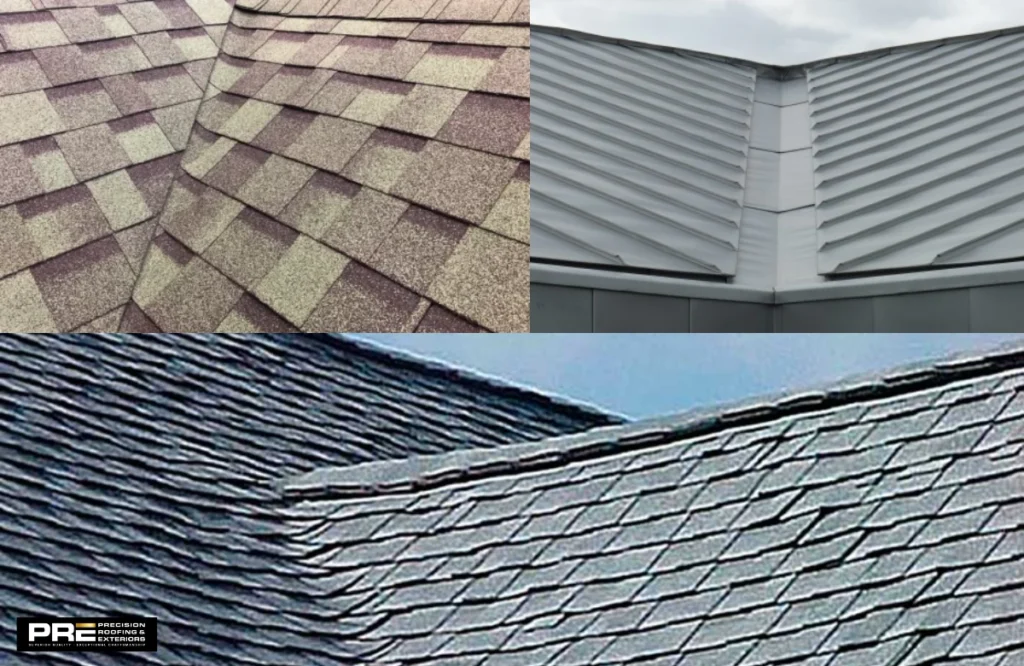
When you look at your roof and see those V-shaped channels where two slopes meet, you are looking at the valleys. These are the most dangerous spots on your house because they act like gutters for the shingles. If they aren’t done right, you get leaks fast. Water gathers in these spots and flows in heavy streams, so any mistake in the layering will show up in your living room ceiling.
Most people researching types of valleys end up picking between a closed-cut valley, an open metal valley, or a woven valley based on their budget and how they want the house to look. To get a good seal, a contractor has to check the slope, pick the material, lay the underlayment, layer the shingles, and seal the edges. Picking the right one keeps your attic dry and your shingles from rotting out early.
Main Types of Roof Valleys
Choosing the right valley style depends on how much rain hits your house and the look you want to achieve.
Closed-Cut Valley
This is the standard for most modern neighborhoods. It looks clean because the shingles on one side overlap the other. The roofer installs the shingles across the valley from the first side, then brings the second side over. They cut the top layer in a straight line right down the middle.
It keeps the valley hidden so you don’t see any metal. Also, it works great for most homes, and it is pretty affordable. Most people like it because it blends in perfectly with the rest of the roof. It gives you a seamless appearance that doesn’t distract from the color of your shingles.
Open Metal Valley
If you have a lot of trees around, you probably need this one. Instead of shingles meeting in the center, a piece of heavy-duty metal is placed in the V-channel first. The shingles are cut back a few inches so the metal stays exposed.
Water and pine needles slide off the metal way faster than they do off rough shingles. It costs a bit more for the metal materials. However, it lasts a long time and prevents clogs. It is the best choice for heavy rain areas because it can handle a massive volume of water without backing up.
Woven Valley
You mostly see this on older houses or when people want a very specific traditional look. The shingles from both sides are woven together across the center like a basket. It creates a continuous look across the gap. It is a bit old-school and takes a lot of time to do right.
If the shingles are too thick, they won’t lie flat. This can cause “bridges” where water gets underneath. Most pros steer away from this now if they are using heavy, modern architectural shingles. It is a difficult technique that requires a lot of patience to get the overlaps perfect.
Conclusion
Getting the right types of valleys installed is the only way to protect your home from water damage. Whether you choose a closed-cut valley, an open metal valley, or a woven valley, the details matter. You need to check the slope, pick the material, lay the underlayment, layer shingles, and seal the edges. If you skip any of these steps, the valley will fail during the first big storm.
At Precision Roofing, we make sure these high-traffic areas are built to last. We provide full roof inspections to determine whether your current valleys are failing. Our team handles everything from residential roof restoration to shingle roof installation. We are experts in asphalt roof installation and know exactly how to handle these tricky corners.
FAQs
Which roof valley is the best for leaks?
The open metal valley is usually the winner here. Metal is slicker than shingles, so water doesn’t have time to soak in or get backed up. It’s the safest bet for preventing rot over the long haul.
What goes under the shingles in a valley?
Every valley needs a thick ice and water shield underneath. This is a sticky membrane that stops water even if it gets past the shingles. Without it, your valley will eventually leak even if the shingles look fine.
Can I change my valley type later?
Not easily. You basically have to tear up the shingles in that area to switch styles. It is much better to pick the right one during a full roof replacement so the layers are all fresh.
Do valleys need cleaning?
Yes, they do. If leaves and dirt pile up in the valley, they trap moisture against your shingles. This can lead to mold and early shingle failure. Keeping them clear is a big part of maintenance.