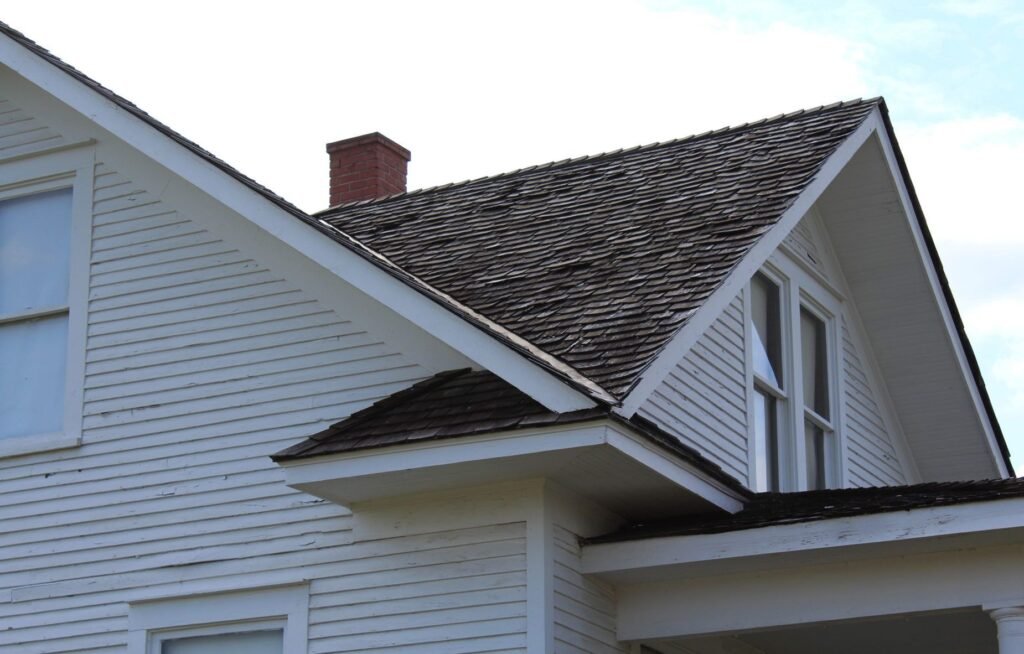
The rake of a roof is the angled edge that runs along the sloped sides of a gable roof. It differs from the eaves, which sit horizontally at the bottom edge. The rake follows the roof’s pitch and directs water, snow, and loose material away from the structure.
This edge matters more than it appears. When the rake is poorly designed or ignored, moisture can linger. Snow can collect unevenly. Over time, that buildup affects shingles, underlayment, and exposed framing. In colder climates, these issues surface faster due to freezing and thawing cycles.
Beyond function, the roof rake shapes the overall appearance of a gable roof. It creates the clean triangular outline most people associate with traditional residential roofs. The angle and finish influence how well the roof sheds water and how long exterior materials last. Because of this, rake design and upkeep directly affect roof performance, durability, and long-term maintenance needs.
Types of Roof Rake
Below are some of the most common types of roof rake:
Standard Rake
- Straight edge that follows the roof slope.
- Common on residential gable roofs.
- Simple construction with minimal parts.
- Low maintenance and easy replacement.
Telescopic Rake
- Extendable handle for added reach.
- Allows ground-level access to higher edges.
- Useful for steep pitches and multi-story homes.
- Reduces ladder use during routine clearing.
Scoop Rake
- Curved or concave head design.
- Collects snow rather than pushing it.
- Effective during heavy snowfall.
- Helps remove material in fewer passes.
Hook Rake
- Curved end is designed to pull snow downward.
- Limits direct contact with shingles.
- Useful for controlled snow removal.
- Reduces risk of surface damage.
Metal Rake
- Rigid and durable construction.
- Breaks through compacted snow or ice.
- Long service life under repeated use.
- Requires careful handling on shingle roofs.
Plastic Rake
- Lightweight and easier to control.
- Less abrasive on roofing materials.
- Suitable for light snow and debris.
- May wear faster under heavy use.
Adjustable Angle Rake
- The head or handle angle can be modified.
- Adapts to different roof slopes.
- Improves reach under overhangs.
- Offers better control during use.
Ergonomic Rake
- Designed to reduce physical strain.
- Often includes padded grips.
- Balanced weight distribution.
- Supports longer use with less fatigue.
Key Benefits of Roof Rake
Here are some of the major advantages of roof rake:
Prevent Snow Buildup
- Removes excess weight from the roof.
- Reduces stress on structural components.
- Helps avoid uneven load distribution.
Avoid Ice Dams
- Limits melt-and-refreeze cycles at edges.
- Protects gutters and fascia boards.
- Reduces water backup under shingles.
Protect Roof
- Prevents shingle cracking and curling.
- Limits moisture exposure.
- Preserves surface materials over time.
Enhance Safety
- Reduces falling ice hazards.
- Limits sudden snow slides.
- Keeps walkways and entry points safer.
Save Repair Costs
- Lowers risk of leak-related damage.
- Reduces long-term maintenance expenses.
- Helps avoid premature roof repairs.
Easy Maintenance
- Allows roof care from ground level.
- Removes debris without direct roof access.
- Simplifies seasonal upkeep routines.
Extend Roof Life
- Maintains consistent surface conditions.
- Reduces wear caused by trapped moisture.
- Supports longer material performance.
Improve Drainage
- Keep rake edges clear.
- Allows proper water flow into gutters.
- Prevents pooling near roof edges.
Maintenance Tips for the Rake of a Roof
Here are some of the most effective maintenance tips for the rake of a roof:
Clean After Use
- Remove snow and debris from the rake.
- Prevents material buildup.
- Reduces corrosion and surface wear.
Inspect for Damage
- Check handles, joints, and rake heads.
- Look for cracks or bends.
- Replace worn components early.
Lubricate Joints
- Apply lubricant to moving sections.
- Keeps telescoping parts functional.
- Prevents stiffness during cold weather.
Store Properly
- Keep in a dry, covered location.
- Avoid prolonged sun exposure.
- Protects plastic and metal parts.
Tighten Loose Parts
- Secure screws and fasteners.
- Prevents instability during use.
- Reduces risk of sudden failure.
Conclusion
The slope or angle of the roof serves a major functional purpose but at the same time considerably contributes to the roof’s overall appearance. It directs rain, prevents the roof from collapsing under the weight of the snow, and keeps the edges free from the damaging effects of moisture for a longer period of time. The choice of rake type, standard, telescopic, or ergonomic, depends on the height of the roof, its inclination, and the climate of the area.
Caring for the roof rake consistently can yield significant advantages. The cleaning of tools after use, checking for wear and tear, and proper storing of equipment are all ways that contribute to safer operation and better results. Care given to the rake of a roof protects the roofing materials, facilitates proper drainage, and lowers the chance of minor repairs that could have been easily avoided. The rake should be treated as a part of the regular home maintenance intricacies that require focused care rather than occasional attention.
For professional installation of roof rakes, check out Precision Roofing. We offer impeccable roofing services with top-quality workmanship.
Frequently Asked Questions
What is the difference between a rake and an eave?
The rake refers to the diagonal edge of a gabled roof which extends from the apex to the eave, on the other hand is that part of the roof which extends horizontally out over the wall and is constructed to keep the walls dry by allowing the rainwater to run off.
What does a roof rake look like?
A roof rake is a trim or board that runs along the sloped edges of the gable roof, from the ridge down to the eave. It often matches the fascia and serves the dual purpose of providing aesthetic and weather protection.