
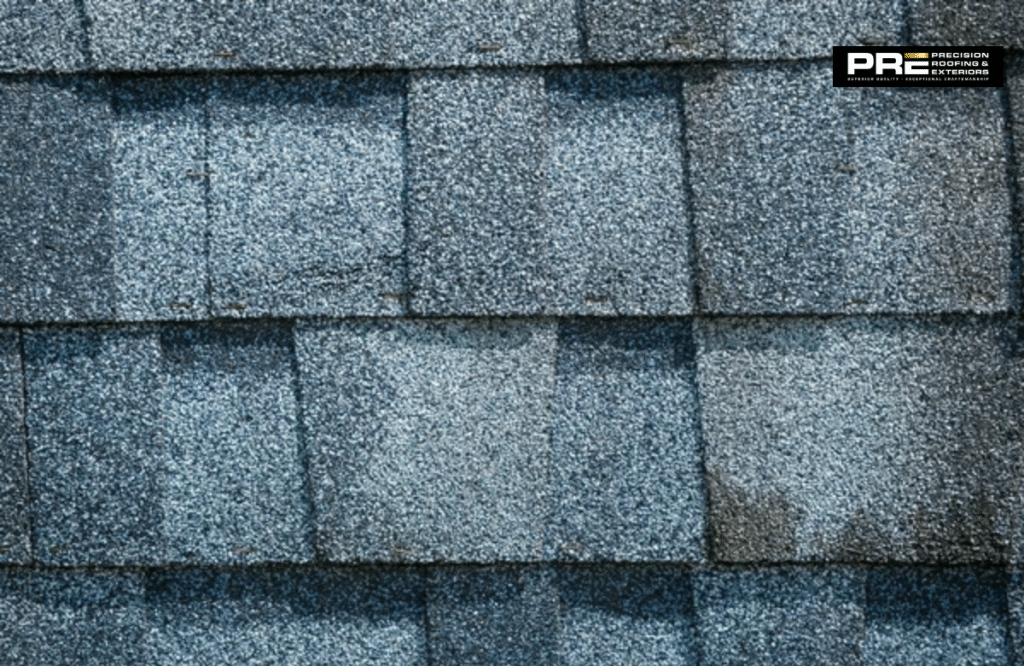
Roofing choices matter most on the worst day, during a hailstorm or a week of freeze–thaw cycles. Shingles that look alike from the ground can behave very differently when struck by hail or debris. That difference shows up as cracks, granule loss, or leaks months later. Impact ratings help buyers compare products in a simple, consistent way so the roof you choose lines up with the risk where you live.
Class numbers come from standardized impact tests that drop steel balls on shingles and then check for cracks. Higher classes resist damage better. Class 3 performs well in moderate hail areas; Class 4 is the top tier for impact resistance and is common in hail belts. Understanding the difference between class 3 shingles and class 4 shingles helps set expectations on cost, insurance, and service life.
What is Class 3 Shingles?
Class 3 shingles are asphalt products that pass a mid-level impact test. In lab conditions, they withstand a steel ball impact strong enough to mimic moderate hail without cracking through the shingle base. Most Class 3 options are laminated “architectural” shingles with a fiberglass mat and asphalt coating. They suit regions that see occasional hail but not the most severe storms.
In practice, Class 3 gives good everyday durability. They hold up under normal wind, sun, and rain, and they install with standard methods. Pricing is often attractive for homeowners who want better-than-basic performance without paying for the premium tier.
What is Class 4 Shingles?
Class 4 shingles meet the highest impact rating in the common test standard. They’re designed to resist cracking when hit by a heavier steel ball drop that simulates larger hail. Many manufacturers reach this mark by reinforcing the mat, using rubber-modified asphalt, or adjusting granule systems to spread impact force.
These shingles are aimed at high-risk areas. They’re not completely hail-proof, but they’re more resilient when storms strike. Because of that, some insurers offer premium discounts where allowed, and some builders specify them by default in hail-prone counties.
Key Differences between Class 3 Shingles and Class 4 Shingles
Below are some of the most common differences between class 3 and 4 shingles:
Impact Resistance
- Test outcome: Class 4 takes a stronger impact without showing cracks on the underside. Class 3 tolerates a medium impact but will fail sooner as hail size increases.
- Real-world effect: After a storm, Class 4 roofs tend to show fewer punctures and less hidden damage that leads to slow leaks.
Material Durability
- Construction: Class 4 products often use thicker mats or polymer-modified asphalt to absorb energy. Class 3 relies on standard laminates with solid but simpler reinforcement.
- Aging: Added toughness in Class 4 can reduce early failures from repeated small impacts over the years.
Granule Retention
- Surface wear: Impacts can knock off mineral granules that protect asphalt from UV. Class 4 shingles typically keep more granules after a hit, slowing UV aging.
- Appearance: Better retention means fewer bald spots and less streaking after hail.
Weather Performance
- Hail: Class 4 leads.
- Wind: Check each model’s wind rating; both classes can reach high wind warranties when installed with the correct nails and starter strips.
- Freeze–thaw: Stronger mats in Class 4 help resist crack growth that can worsen across winter cycles.
Warranty Coverage
- Manufacturer terms: Impact ratings don’t automatically extend to algae, wind, or workmanship coverage. Read the fine print: some brands offer separate impact-limited warranties with conditions.
- Exclusions: Cosmetic dents or granule scuffing may not be covered even if the shingle still performs.
Insurance Benefits
- Premium credits: In many hail regions, insurers offer discounts for verified Class 4 roofs. Programs vary by state or province.
- Claims outcomes: A Class 4 roof may need fewer full replacements after moderate storms, which can help long-term insurance costs, but approval still depends on inspection findings.
Cost Difference
- Materials: Class 4 usually costs more than Class 3, often a modest step up per bundle.
- Installed price: Expect a small increase in total job cost. The delta can narrow if local suppliers stock Class 4 widely or if insurance discounts apply.
Lifespan Expectation
- Service life: In mild climates, both classes can last to their rated life with proper ventilation and installation. In hail zones, Class 4 often stays watertight longer after multiple events, which effectively extends usable life.
- Maintenance: Regardless of class, routine checks after big storms help catch early issues.
Conclusion
If you live where hail is rare and budgets are tight, Class 3 offers solid performance at a lower price. If you’re in a hail corridor, or you simply want the most impact protection, Class 4 delivers stronger resistance, better granule hold, and potential insurance savings that can offset the higher cost. Match the shingle between class and class 4 shingles according to your weather risk, confirm wind ratings and warranty details, and choose a qualified installer so the product performs as designed.
For trusted and professional quality class 3 and 4 shingles, you can reach out to roofing experts like Precision Roofing.